

Can a malfunctioning timer cause issues with the gas oven ignition electrode?
Sep 01, 2025
Leave a message
As a seasoned supplier of gas oven ignition electrodes, I've encountered a wide array of questions from customers over the years. One question that frequently pops up is whether a malfunctioning timer can cause issues with the gas oven ignition electrode. In this blog post, I'll delve into this topic, exploring the relationship between the timer and the ignition electrode, and shedding light on how a faulty timer might impact the ignition process.
Understanding the Gas Oven Ignition System
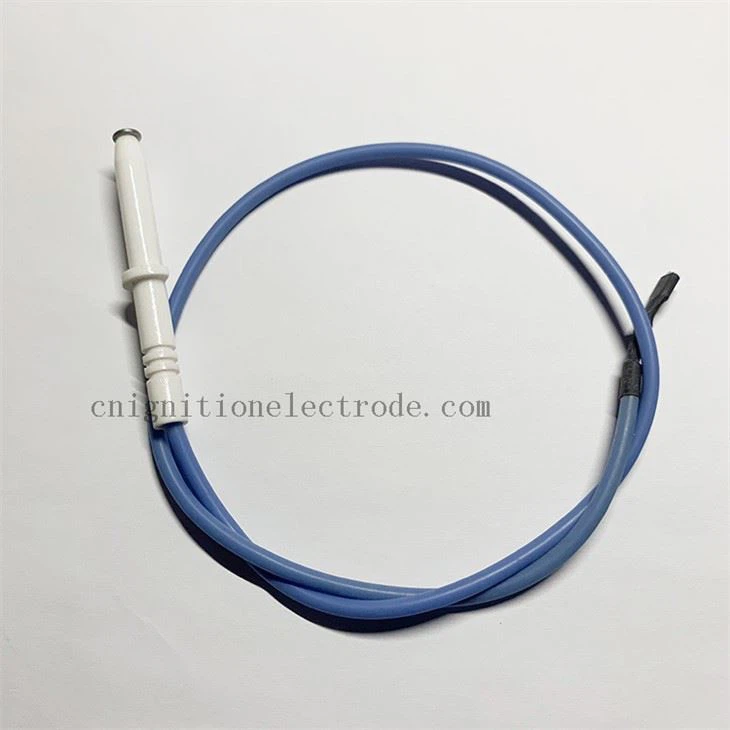
Before we discuss the potential impact of a malfunctioning timer, let's first understand how the gas oven ignition system works. At the heart of this system is the ignition electrode, a crucial component responsible for creating the spark that ignites the gas. When you turn on the oven, the control board sends an electrical signal to the ignition electrode. This signal causes the electrode to generate a high - voltage spark, which then ignites the gas flowing into the oven's burner.
There are different types of ignition electrodes available in the market, such as the Ignition Electrode With Holder, Ceramic Gas Oven Ignition Electrode, and Ceramic Spark Electrode For Oven. These electrodes are designed to be durable and efficient, ensuring reliable ignition every time.
The Role of the Timer in a Gas Oven
The timer in a gas oven serves multiple functions. It allows you to set the cooking time, control the pre - heating duration, and can even be used to turn off the oven automatically after a set period. In a well - functioning gas oven, the timer works in harmony with other components, including the ignition electrode.
The timer is connected to the control board of the oven. When you set the timer, it sends signals to the control board, which in turn regulates the flow of gas and the operation of the ignition electrode. For example, during pre - heating, the timer tells the control board when to start the ignition process and how long it should run.
How a Malfunctioning Timer Can Affect the Ignition Electrode
A malfunctioning timer can have several negative impacts on the gas oven ignition electrode. Here are some ways in which this can happen:
Incorrect Timing of Ignition
If the timer is not functioning properly, it may send incorrect signals to the control board regarding the timing of the ignition. For instance, it might delay the ignition process or start it too early. A delayed ignition can cause a build - up of gas in the oven chamber. When the ignition finally occurs, this can result in a small explosion or a large, sudden flame, which can be dangerous. On the other hand, an early ignition may not allow enough gas to flow into the burner, leading to a weak or intermittent spark from the ignition electrode and an unsuccessful ignition.
Over - or Under - Cycling of the Ignition Electrode
The timer is responsible for controlling how long the ignition electrode operates. A faulty timer may cause the electrode to cycle on and off too frequently or for incorrect durations. Over - cycling can lead to premature wear and tear of the ignition electrode. The constant generation of sparks can cause the electrode to degrade faster, reducing its lifespan and potentially leading to failure. Under - cycling, on the other hand, may not provide enough sparks to ignite the gas consistently, resulting in ignition problems.

Inconsistent Gas Flow Regulation
The timer also plays a role in regulating the gas flow in conjunction with the ignition process. A malfunctioning timer can disrupt this regulation. If the timer fails to send the correct signals, the control board may not open or close the gas valve at the appropriate times. This can lead to either too much or too little gas being supplied to the burner. If there is too much gas and the ignition electrode is unable to ignite it all at once, it can create a dangerous situation. If there is too little gas, the ignition electrode may not be able to generate a strong enough spark to ignite the gas.
Signs of a Malfunctioning Timer Affecting the Ignition Electrode
There are several signs that may indicate a malfunctioning timer is causing issues with the ignition electrode:
Frequent Ignition Failures
If your gas oven is having trouble igniting consistently, it could be due to a timer problem. The incorrect timing of the ignition signals can prevent the electrode from creating a reliable spark at the right time, resulting in repeated failed ignition attempts.
Unusual Noises During Ignition
A malfunctioning timer can cause abnormal gas flow and ignition patterns, which may produce strange noises during the ignition process. You might hear popping, hissing, or banging sounds that are not normal for your oven.
Premature Wear of the Ignition Electrode
If you notice that your ignition electrode is wearing out faster than expected, it could be because of over - cycling caused by a faulty timer. The constant on - off cycling can cause the electrode to deteriorate more quickly than under normal operating conditions.
Troubleshooting and Solutions
If you suspect that a malfunctioning timer is causing issues with your gas oven ignition electrode, here are some steps you can take:
Check the Timer Settings
First, make sure that the timer is set correctly. Sometimes, a simple setting error can cause problems with the ignition process. Reset the timer and try to start the oven again.
Inspect the Timer for Physical Damage
Look for any visible signs of damage to the timer, such as broken wires or a cracked casing. If you find any damage, the timer may need to be replaced.
Test the Timer Functionality
You can use a multimeter to test the timer's electrical connections and functionality. If the timer is not sending the correct signals, it is likely malfunctioning and should be replaced.
Replace the Ignition Electrode if Necessary
If the ignition electrode has been damaged due to the timer malfunction, it may need to be replaced. As a supplier, I can offer high - quality replacement electrodes, such as the Ignition Electrode With Holder, Ceramic Gas Oven Ignition Electrode, and Ceramic Spark Electrode For Oven.
Conclusion
In conclusion, a malfunctioning timer can indeed cause significant issues with the gas oven ignition electrode. The incorrect timing of ignition, over - or under - cycling, and inconsistent gas flow regulation can all lead to ignition problems and premature wear of the electrode. It is important to be aware of the signs of a malfunctioning timer and take appropriate steps to troubleshoot and fix the issue.
If you are experiencing problems with your gas oven ignition electrode or suspect a timer malfunction, don't hesitate to reach out. As a reliable supplier of gas oven ignition electrodes, I am committed to providing you with the best products and solutions. Whether you need a replacement ignition electrode or advice on troubleshooting, I'm here to help. Contact me to discuss your requirements and start a successful procurement process.
References
- "Gas Oven Repair Manuals", various manufacturers' publications.
- "Home Appliance Technology" textbooks, covering gas oven components and operation.