

Can an alumia ignition electrode withstand high temperatures?
Aug 21, 2025
Leave a message
Can an alumina ignition electrode withstand high temperatures? This is a question that often comes up in industries where high - temperature environments are the norm, such as in boilers, furnaces, and industrial burners. As a supplier of alumina ignition electrodes, I am well - versed in the properties and capabilities of these essential components, and I'm excited to share my insights with you.
Understanding Alumina Ignition Electrodes
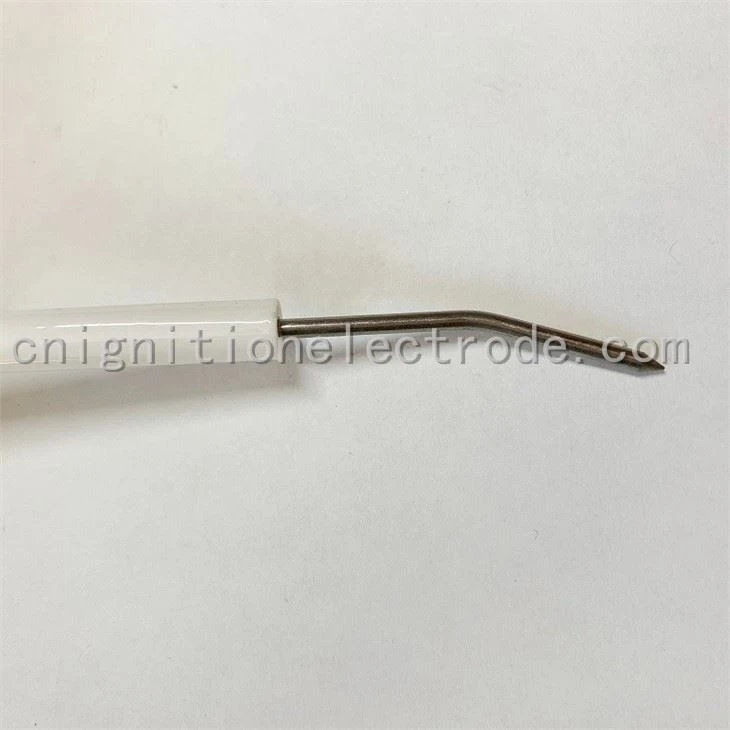
Alumina ignition electrodes are critical parts in many ignition systems. They are designed to generate a spark that ignites the fuel - air mixture in various combustion processes. The key to their functionality lies in the material they are made of - alumina. Alumina, also known as aluminum oxide (Al₂O₃), is a ceramic material with a wide range of applications due to its excellent electrical insulation, mechanical strength, and chemical stability.
The Alumina Spark Electrode we supply is crafted with high - purity alumina. The manufacturing process involves precision techniques to ensure that the electrode has the right shape, size, and electrical properties. This precision is crucial because even a small deviation can affect the electrode's performance, especially in high - temperature applications.
High - Temperature Resistance of Alumina
One of the most remarkable properties of alumina is its high melting point. Alumina has a melting point of approximately 2072°C (3762°F). This high melting point indicates that alumina can withstand extremely high temperatures without melting. In practical applications, the temperature in most industrial combustion processes typically ranges from a few hundred degrees Celsius to around 1500°C. In these conditions, alumina ignition electrodes remain structurally stable.
The high - temperature resistance of alumina is also related to its thermal expansion coefficient. Alumina has a relatively low thermal expansion coefficient, which means that it does not expand or contract significantly when exposed to temperature changes. This property is vital because it prevents the electrode from cracking or warping due to thermal stress. Cracking can lead to electrical shorts or a loss of spark, which would render the ignition system ineffective.
In addition to its physical stability at high temperatures, alumina also maintains its electrical insulation properties. Electrical insulation is essential for an ignition electrode because it ensures that the electrical current is focused on generating a spark at the tip of the electrode. At high temperatures, some materials may lose their insulating properties, leading to erratic sparking or electrical leakage. However, alumina can maintain its electrical insulation even at elevated temperatures, allowing for consistent and reliable spark generation.

Real - World Applications
Let's take a look at some real - world applications where alumina ignition electrodes are used in high - temperature environments.
Boiler Systems
In boiler systems, the combustion process occurs at high temperatures to produce steam or hot water. The Boiler Ceramic Ignition Electrode is responsible for igniting the fuel, which could be natural gas, oil, or coal. The temperature inside a boiler can reach up to 1000°C or more. Alumina ignition electrodes are well - suited for this application because they can withstand these high temperatures and provide a reliable spark to initiate combustion.
The stability of alumina at high temperatures also means that the electrode has a long service life in boiler systems. This reduces the need for frequent replacements, which can be costly and time - consuming. Moreover, the consistent performance of the electrode ensures efficient combustion, which in turn leads to energy savings and reduced emissions.
Furnaces
Furnaces are used in various industries, such as metal smelting and heat treatment. In these applications, the temperature can be extremely high, often exceeding 1500°C. Alumina ignition electrodes are used to ignite the fuel in the furnace. Their high - temperature resistance allows them to operate reliably in these harsh conditions.
In a metal - smelting furnace, for example, the ignition electrode needs to generate a spark to start the combustion of the fuel, which provides the heat needed to melt the metal. The ability of the alumina electrode to withstand the high temperatures ensures that the ignition process is smooth and efficient. This is crucial for maintaining the productivity of the furnace and ensuring the quality of the metal products.
Factors Affecting High - Temperature Performance
While alumina ignition electrodes have excellent high - temperature resistance, there are some factors that can affect their performance in high - temperature environments.
Contaminants
Contaminants can have a significant impact on the performance of alumina ignition electrodes. In industrial environments, there may be dust, ash, or other chemical substances present. These contaminants can deposit on the surface of the electrode, which can change its electrical properties. For example, some contaminants may act as conductors, leading to electrical leakage and a reduction in spark intensity.
To mitigate the effect of contaminants, regular maintenance is required. This may involve cleaning the electrodes periodically to remove any deposits. Additionally, proper filtration systems can be installed in the combustion chamber to reduce the amount of contaminants that come into contact with the electrodes.
Oxidation
Although alumina is a relatively stable material, it can undergo oxidation at very high temperatures in the presence of oxygen. Oxidation can lead to the formation of a thin layer of oxide on the surface of the electrode, which may affect its electrical and physical properties. However, in most industrial applications, the oxidation rate is relatively slow. To further protect the electrode from oxidation, some manufacturers apply special coatings to the electrode surface. These coatings can act as a barrier between the alumina and the oxygen in the environment.
Comparison with Other Materials
When considering ignition electrodes for high - temperature applications, it's important to compare alumina with other materials. Some common materials used for ignition electrodes include stainless steel and tungsten.
Stainless steel has a lower melting point compared to alumina, typically around 1500°C. This means that in very high - temperature applications, stainless steel electrodes may melt or deform. Additionally, stainless steel has a higher thermal expansion coefficient, which makes it more prone to cracking due to thermal stress.
Tungsten has a high melting point, similar to alumina. However, tungsten is a metal, which means it is a good conductor of electricity. In an ignition electrode, this can be a disadvantage because it may lead to electrical leakage and a less - focused spark. Alumina, on the other hand, is an insulator, which allows for better control of the electrical current and a more efficient spark.
The Spark Igniter Electrode Advantage
Our Spark Igniter Electrode is designed to take full advantage of alumina's high - temperature resistance. We use advanced manufacturing techniques to ensure that each electrode meets the highest quality standards. The electrodes are tested rigorously in high - temperature environments to simulate real - world conditions.
We also offer customized solutions to meet the specific needs of our customers. Whether you need an electrode for a small domestic boiler or a large industrial furnace, we can provide an electrode with the right specifications. Our team of experts is always available to offer technical support and advice on the best electrode for your application.
Conclusion
In conclusion, alumina ignition electrodes can indeed withstand high temperatures. Their high melting point, low thermal expansion coefficient, and stable electrical insulation properties make them ideal for use in high - temperature combustion processes. While there are some factors that can affect their performance, such as contaminants and oxidation, proper maintenance and protective measures can ensure that the electrodes operate reliably for an extended period.
If you are in the market for high - quality ignition electrodes for your high - temperature applications, we invite you to contact us. Our team is eager to discuss your requirements and provide you with the best alumina ignition electrode solutions. We are committed to delivering products that meet the highest standards of quality and performance.
References
- Kingery, W. D., Bowen, H. K., & Uhlmann, D. R. (1976). Introduction to Ceramics. Wiley.
- Van Vlack, L. H. (1989). Elements of Materials Science and Engineering. Addison - Wesley.
- Incropera, F. P., & DeWitt, D. P. (2002). Fundamentals of Heat and Mass Transfer. Wiley.