

How do I clean the area around the ignition needle on my gas grill?
Nov 04, 2025
Leave a message
Hey there, grill enthusiasts! As a supplier of ignition needles for gas grills, I've seen it all when it comes to the nitty - gritty of grill maintenance. One of the most common issues that grill owners face is a dirty area around the ignition needle. A dirty ignition area can cause all sorts of problems, like difficulty in starting the grill or even a complete failure to ignite. So, today I'm going to walk you through the process of cleaning the area around the ignition needle on your gas grill.
Why Cleaning the Ignition Needle Area Matters
First off, let's talk about why this is so important. The ignition needle is responsible for creating a spark that lights the gas in your grill. If there's grease, dirt, or debris around it, the spark might not be able to reach the gas properly. This can lead to a weak or inconsistent ignition, which is not only annoying but can also be a safety hazard.
Think of it like a match. If you try to light a match in a really dusty or greasy environment, it might not catch fire right away, or it could go out quickly. The same principle applies to your grill's ignition needle. A clean ignition area ensures a strong and reliable spark, which means your grill will start up easily every time you fire it up.
What You'll Need
Before you start cleaning, gather the following tools:
- A small brush, like a toothbrush or a grill brush with soft bristles.
- A can of compressed air (optional but really helpful).
- A clean cloth or paper towels.
- Some mild dish soap and warm water.
Step - by - Step Cleaning Process
Step 1: Safety First
Before you do anything, make sure your grill is turned off and has completely cooled down. You don't want to accidentally burn yourself while cleaning. Also, turn off the gas supply to your grill to prevent any gas leaks.
Step 2: Locate the Ignition Needle
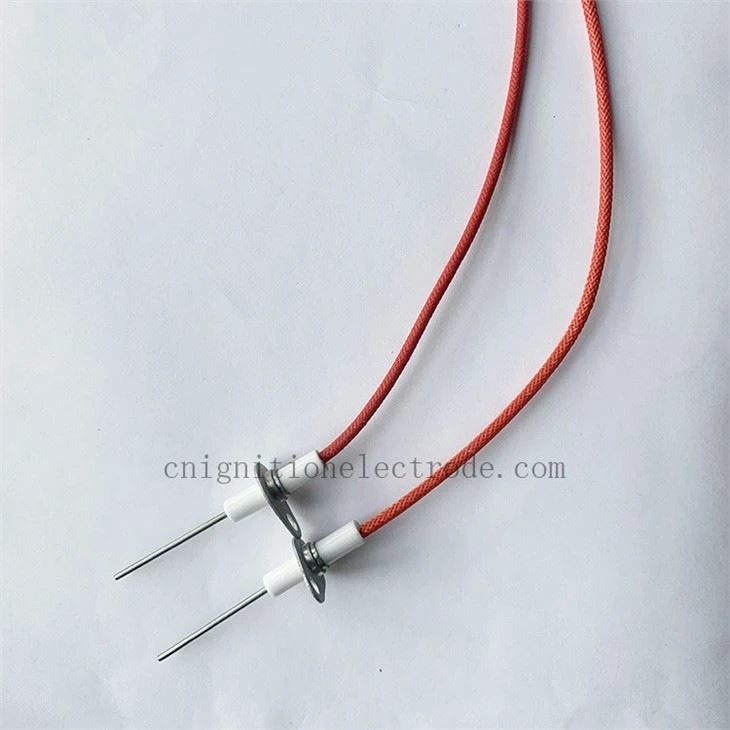
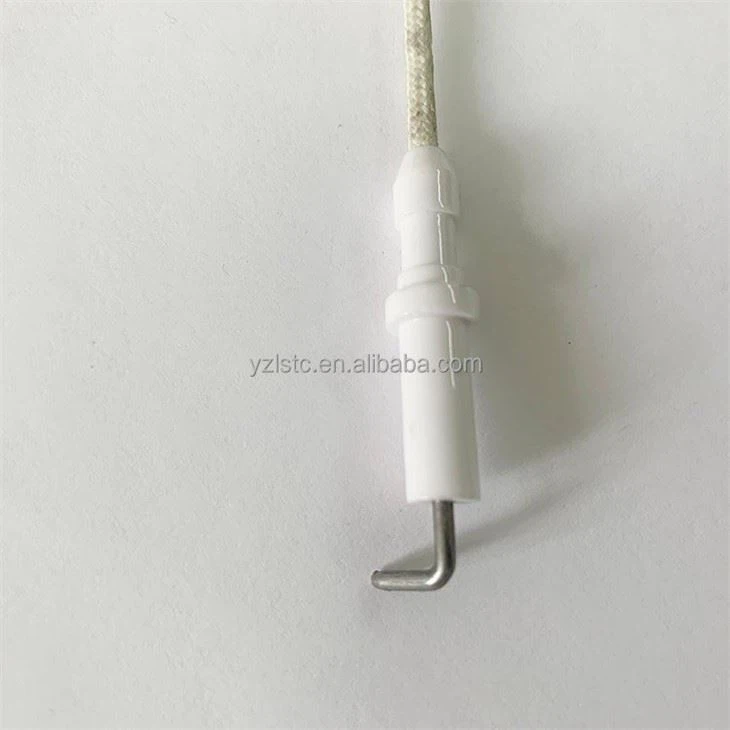
The ignition needle is usually located near the burner tubes. It's a small, thin metal rod with a ceramic tip. Sometimes, it can be a bit tricky to find, especially if your grill has a lot of components. Look for a wire connected to a small, pointed object. That's your ignition needle.
Step 3: Remove Loose Debris
Use the small brush to gently remove any loose dirt, dust, or debris around the ignition needle. Be really careful not to damage the needle or the ceramic tip. The ceramic is quite fragile, so a light touch is key. You can also use the can of compressed air to blow away any hard - to - reach debris. Hold the can a few inches away from the ignition area and give it a short burst of air.
If you're looking for some high - quality ignition parts during this process, you might be interested in these products: Alumina Spark Plug For Oven, gas oven ceramic spark plug ignitor, and Ceramic Spark Electrode For Oven. These are great options for ensuring a reliable ignition in your gas grill or oven.
Step 4: Clean the Ignition Area
Mix some mild dish soap with warm water in a small bowl. Dip the clean cloth or paper towel into the soapy water and gently wipe the area around the ignition needle. This will help remove any grease or stubborn dirt. Be careful not to get the ignition needle or the wires wet. If you do, make sure to dry them thoroughly before you try to use the grill again.
Step 5: Rinse and Dry
Once you've wiped the area clean, use a separate clean cloth or paper towel dampened with plain water to rinse off the soapy residue. Then, dry the area completely. You can use a dry cloth or let it air - dry for a few minutes.
Step 6: Reassemble and Test
After the ignition area is dry, double - check that everything is in place. Make sure the ignition needle is securely attached and there are no loose wires. Then, turn on the gas supply and try to start your grill. If everything was done correctly, your grill should start up smoothly.
Tips and Tricks
- Regular Maintenance: Make it a habit to clean the area around the ignition needle every few uses. This will prevent a build - up of dirt and grease and keep your grill in top condition.
- Check for Damage: While you're cleaning, take a close look at the ignition needle. If you notice any cracks in the ceramic tip or if the needle is bent or damaged, it might be time to replace it. As a supplier of ignition needles for gas grills, I can tell you that using a damaged ignition needle is not only ineffective but can also be dangerous.
- Keep the Grill Covered: When your grill is not in use, cover it with a grill cover. This will protect it from dust, dirt, and the elements, which means less cleaning for you in the long run.
Conclusion
Cleaning the area around the ignition needle on your gas grill is a simple but important task. By following these steps and doing regular maintenance, you can ensure that your grill starts up easily every time and stays in great shape for years to come.
If you're in the market for high - quality ignition needles or other grill ignition parts, don't hesitate to reach out. We're here to help you find the right products for your needs. Whether you're a professional chef or just a weekend griller, we've got the ignition solutions you're looking for. Contact us to start a purchase negotiation and get your hands on the best ignition parts for your gas grill.
References
- Grill Maintenance Guides from Various Manufacturers
- Personal Experience as an Ignition Needle for Gas Grill Supplier