

How do I know if my gas grill igniter is getting enough power?
Aug 06, 2025
Leave a message
Hey there, fellow grill enthusiasts! As a gas grill igniter supplier, I've heard all sorts of questions about igniters. One of the most common ones is, "How do I know if my gas grill igniter is getting enough power?" Well, I'm here to break it down for you in plain and simple terms.
Signs of Insufficient Power
Let's start by looking at the tell - tale signs that your gas grill igniter might not be getting enough juice.
Weak or No Spark
The most obvious sign is when you hear the clicking sound of the igniter, but there's either a very weak spark or no spark at all. A healthy igniter should produce a strong, visible spark that jumps across the gap between the electrode and the burner. If the spark is faint or intermittent, it could mean that the power supply is low.
For instance, if you've ever tried to light a grill on a cold morning and noticed that the spark just isn't doing its job, it might be due to low power. The cold can affect the battery or the electrical system, reducing the amount of power available to the igniter.
Delayed Ignition
Another sign is a delay between the time you press the igniter button and when the gas actually ignites. A properly powered igniter should light the gas almost immediately. If there's a noticeable lag, say a few seconds or more, it could be because the igniter isn't generating enough energy to ignite the gas quickly.
This can be frustrating, especially when you're hungry and eager to start grilling. You press the button, wait, and then finally, after what seems like an eternity, the grill lights up. It's a clear indication that something's not right with the power supply.
Frequent Ignition Failures
If you find yourself having to press the igniter button multiple times to get the grill to light, or if it fails to light altogether more often than not, power could be the culprit. A well - powered igniter should be able to light the grill consistently with just one press of the button.
Factors Affecting Power Supply
Now that we know the signs, let's talk about what can cause the igniter to not get enough power.

Battery Issues
Most gas grill igniters are battery - operated. Over time, batteries lose their charge. If you've been using the same batteries for a long time, they might not be providing enough voltage to power the igniter effectively.
Also, if the battery contacts are dirty or corroded, it can prevent the proper flow of electricity. You might need to clean the contacts with a small brush or replace the batteries altogether.
Electrical Wiring Problems
The wiring inside the grill that connects the igniter to the power source can also cause issues. If the wires are damaged, frayed, or loose, it can disrupt the flow of electricity. This can happen due to wear and tear, exposure to the elements, or even rodents chewing on the wires.
Faulty Igniter Module
The igniter module is the part that controls the ignition process. If it's malfunctioning, it might not be able to deliver the right amount of power to the igniter. This could be due to a manufacturing defect, overheating, or general wear and tear.
Testing the Power Supply
So, how can you test if your gas grill igniter is getting enough power?
Battery Check
If your igniter uses batteries, the first thing you should do is check the batteries. Remove the batteries from the igniter and use a battery tester to see if they still have a full charge. If the tester shows that the batteries are low, replace them with new ones.
Visual Inspection of Wiring
Take a close look at the electrical wiring. Look for any signs of damage, such as frayed wires or loose connections. If you find any issues, you might be able to repair the wiring yourself using electrical tape or replace the damaged section. However, if you're not comfortable working with electrical systems, it's best to call a professional.
Using a Multimeter
A multimeter is a handy tool that can measure voltage, current, and resistance. You can use it to test the voltage at the igniter. First, make sure the grill is turned off and the gas supply is shut off. Then, connect the multimeter to the appropriate terminals on the igniter. If the voltage reading is lower than the recommended level, it means the igniter isn't getting enough power.
Our Gas Grill Igniters
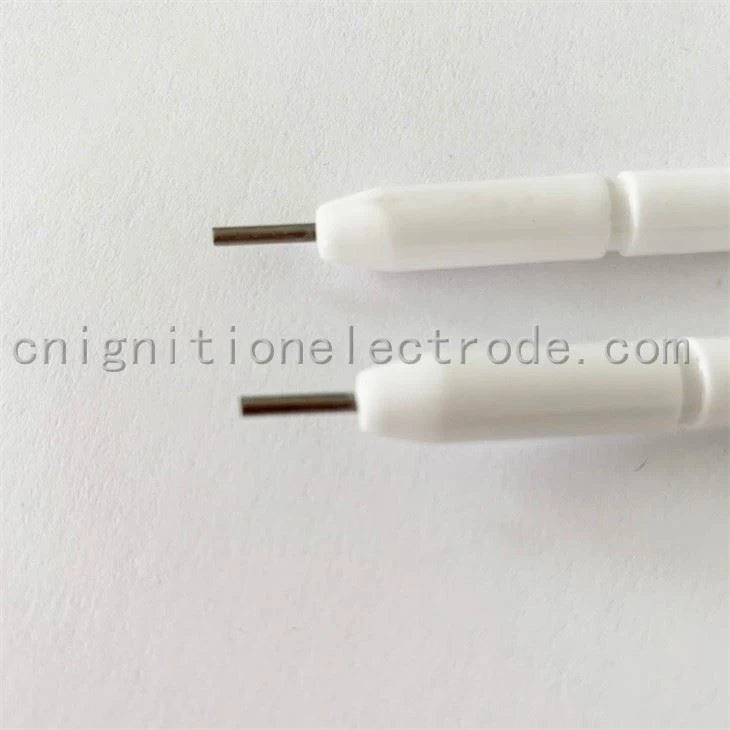
As a gas grill igniter supplier, we offer a wide range of high - quality igniters. Our Ignition Electrode for Gas Grill is designed to provide a strong and consistent spark, ensuring reliable ignition every time.
We also have the Baking Oven Ignition Electrode, which is suitable for those who use their grills for baking as well as grilling. And for those looking for a more durable option, our Ceramic Gas Oven Ignition Electrode is made from high - quality ceramic materials that can withstand high temperatures and last longer.
Conclusion
Figuring out if your gas grill igniter is getting enough power isn't rocket science. By paying attention to the signs of insufficient power, understanding the factors that can affect the power supply, and performing some simple tests, you can diagnose the problem and take the necessary steps to fix it.
If you're in the market for a new gas grill igniter or need some advice on powering your existing one, don't hesitate to reach out. We're here to help you get the most out of your grilling experience. Whether you're a casual backyard griller or a serious barbecue enthusiast, we've got the products and expertise to meet your needs. Contact us to start a conversation about your gas grill igniter requirements and let's work together to keep your grill firing up perfectly every time.
References
- "Grill Maintenance 101" - A guide on basic grill care and troubleshooting.
- "Understanding Gas Grill Ignition Systems" - An in - depth look at how gas grill igniters work.