

How do I know if the gas oven ignition electrode has been damaged during a self - cleaning cycle?
Oct 17, 2025
Leave a message
Hey there! As a supplier of gas oven ignition electrodes, I get a ton of questions from folks about their ovens, especially after a self - cleaning cycle. One of the most common concerns is whether the ignition electrode has been damaged during this process. So, I thought I'd share some tips on how you can tell if your gas oven ignition electrode has taken a hit.
1. Check for Visible Signs of Damage
The first thing you should do is take a good look at the ignition electrode. After the self - cleaning cycle, open up your oven and locate the electrode. It's usually a small, thin rod near the burner. Look for any obvious signs of physical damage.

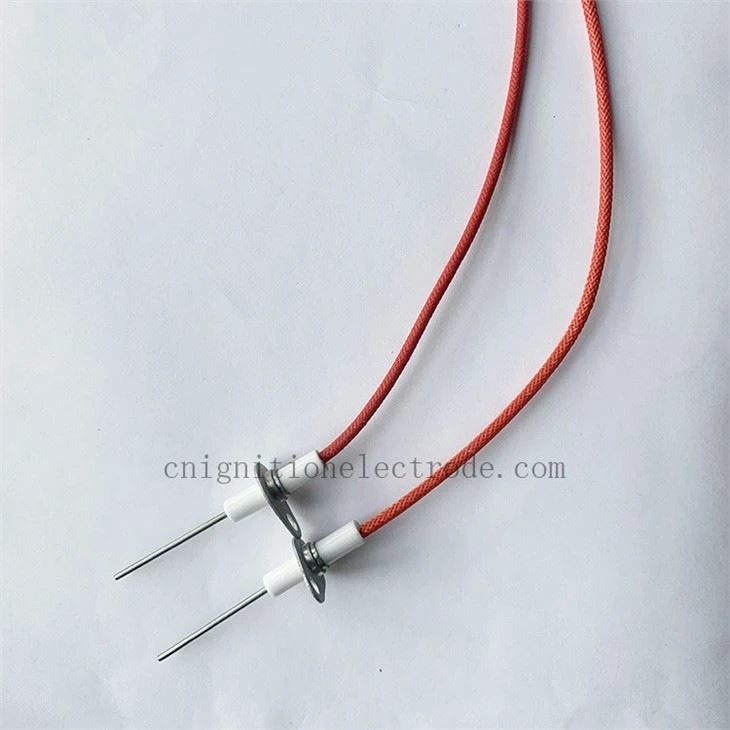
If you see cracks, chips, or breaks in the electrode, that's a clear indication that it's been damaged. Sometimes, the high heat during the self - cleaning cycle can cause the ceramic part of the electrode to expand and contract rapidly, leading to these types of fractures. Also, check for any signs of melting or warping. If the metal part of the electrode looks misshapen, it's likely that the extreme heat has affected it.
2. Listen for Spark Sounds
When you turn on your gas oven, you should hear a distinct clicking sound as the ignition electrode tries to create a spark. This spark is what lights the gas in the oven. If you don't hear this clicking sound after a self - cleaning cycle, it could mean that the electrode is damaged.
Sometimes, the electrical connections in the electrode can come loose due to the vibrations and heat during the self - cleaning process. This can prevent the electrode from generating a spark. You can also try turning on the oven multiple times. If you still don't hear the clicking sound, there's a good chance the electrode is the culprit.
3. Observe the Ignition Process
Another way to tell if the ignition electrode is damaged is to watch how the oven ignites. Normally, when you turn on the oven, the burner should light up within a few seconds after the clicking sound starts. If it takes a long time for the burner to ignite, or if it doesn't ignite at all, the electrode might be at fault.
A damaged electrode may not be able to produce a strong enough spark to ignite the gas quickly. This can lead to a delay in the ignition process or even a complete failure to light the burner. If you notice that the burner only lights up intermittently, it could also be a sign of a damaged electrode.
4. Check for Gas Leaks
Although not always directly related to electrode damage, a gas leak can sometimes be a symptom of a problem with the ignition system. If you smell gas when you turn on your oven, it's important to take immediate action. A damaged ignition electrode can sometimes cause the gas to be released without being properly ignited, leading to a gas leak.
To check for gas leaks, you can use a simple soapy water solution. Mix some dish soap with water in a spray bottle and spray it around the connections of the gas line and the ignition electrode. If you see bubbles forming, it means there's a gas leak. In this case, turn off the gas supply to the oven right away and call a professional.
5. Compare with a New Electrode
If you're still not sure if your ignition electrode is damaged, you can compare it with a new one. As a gas oven ignition electrode supplier, I can tell you that a new electrode has a clean and uniform appearance. The ceramic part should be smooth and free of any cracks, and the metal part should be straight and undamaged.
You can find a variety of ignition electrodes on our website. For example, we have the Alumina Spark Plug For Oven which is known for its high - quality and durability. The Spark Electrode For Gas Oven is another popular option that is designed to work efficiently in different gas oven models. And if you have a gas grill, we also offer the Ignition Electrode for Gas Grill.
By comparing your old electrode with a new one, you can easily spot any differences in appearance or functionality. If your old electrode looks significantly different or doesn't seem to work as well as the new one, it's probably time to replace it.
Conclusion
Figuring out if your gas oven ignition electrode has been damaged during a self - cleaning cycle isn't always easy, but by following these tips, you can get a pretty good idea. If you suspect that your electrode is damaged, it's important to replace it as soon as possible to ensure the safe and efficient operation of your oven.
As a gas oven ignition electrode supplier, we're here to help you with all your ignition electrode needs. Whether you're a homeowner looking to replace a faulty electrode or a business in need of bulk orders, we've got you covered. If you have any questions or want to discuss your specific requirements, feel free to reach out to us. We're more than happy to assist you in finding the right ignition electrode for your gas oven or grill.
References
- Gas Appliance Manufacturers Association (GAMA). Guidelines for Gas Oven Maintenance.
- Home Appliance Repair Manuals. Common Issues with Gas Oven Ignition Systems.