

How do I maintain a gas grill igniter?
Jul 04, 2025
Leave a message
Maintaining a gas grill igniter is crucial for ensuring your grill functions efficiently and safely. As a supplier of gas grill igniters, I've witnessed firsthand the importance of proper maintenance. In this blog, I'll share some practical tips on how to keep your gas grill igniter in top - notch condition.
Understanding the Gas Grill Igniter
Before diving into maintenance, it's essential to understand how a gas grill igniter works. There are two main types: the piezo - electric igniter and the battery - powered igniter.
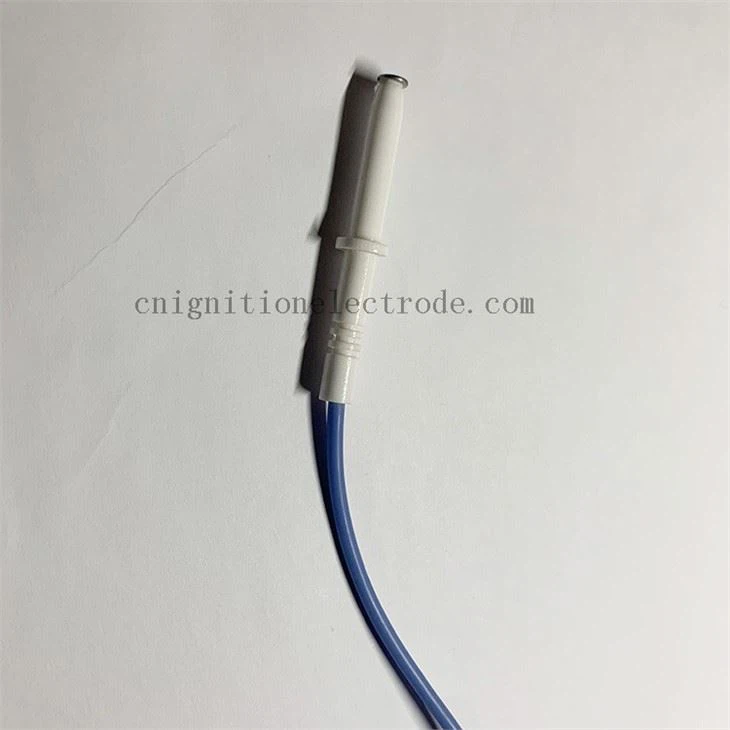

The piezo - electric igniter generates a spark when you press the ignition button. It uses a crystal that produces an electric charge when compressed, creating a spark that ignites the gas. On the other hand, a battery - powered igniter relies on a battery to generate the necessary electrical current for the spark.
Regular Cleaning
One of the simplest yet most effective ways to maintain a gas grill igniter is through regular cleaning. Over time, grease, food particles, and debris can accumulate on the igniter, preventing it from generating a strong spark.
- Turn off the Gas Supply: Before starting any cleaning, make sure the gas supply to the grill is turned off. This is a safety precaution to avoid any accidental ignition.
- Remove the Igniter: Carefully remove the igniter from the grill. This may involve unscrewing a few bolts or disconnecting some wires, depending on the model of your grill.
- Clean with a Soft Brush: Use a soft - bristled brush, like a toothbrush, to gently remove any dirt or debris from the igniter. Be careful not to damage the delicate components.
- Wipe with a Damp Cloth: After brushing, wipe the igniter with a damp cloth to remove any remaining residue. Make sure the igniter is completely dry before reinstalling it.
Inspecting the Igniter Wires
The wires connected to the igniter are also prone to damage. Over time, they can become frayed, cracked, or corroded, which can disrupt the electrical current and prevent the igniter from working properly.
- Visual Inspection: Regularly inspect the wires for any signs of damage. Look for frayed ends, cracks, or corrosion. If you notice any damage, it's important to replace the wires as soon as possible.
- Check the Connections: Ensure that the wires are securely connected to the igniter and the control panel. Loose connections can also cause ignition problems. If a connection is loose, tighten it carefully.
Replacing the Batteries (if applicable)
For battery - powered igniters, replacing the batteries regularly is essential. A weak or dead battery can result in a weak spark or no spark at all.
- Check the Battery Compartment: Locate the battery compartment on the igniter. It's usually a small, removable cover on the side of the control panel.
- Remove the Old Batteries: Carefully remove the old batteries from the compartment. Make sure to note the correct orientation of the batteries.
- Insert New Batteries: Insert fresh batteries into the compartment, following the correct polarity. Replace the battery cover and test the igniter.
Protecting the Igniter from the Elements
Exposure to moisture, extreme temperatures, and other environmental factors can damage the igniter. To protect it, consider the following:
- Use a Grill Cover: When the grill is not in use, cover it with a high - quality grill cover. This will protect the igniter and other components from rain, snow, and dust.
- Store the Grill Indoors: If possible, store the grill indoors during the off - season. This will prevent the igniter from being exposed to harsh winter conditions.
Troubleshooting Common Ignition Problems
Even with regular maintenance, you may still encounter ignition problems. Here are some common issues and how to troubleshoot them:
- No Spark: If the igniter is not producing a spark, first check the batteries (if it's a battery - powered igniter). If the batteries are fine, inspect the wires for damage. If the wires are intact, the igniter itself may be faulty and need to be replaced.
- Weak Spark: A weak spark can be caused by a dirty igniter, a weak battery, or a loose wire connection. Clean the igniter, replace the battery, and check the wire connections.
- Gas Not Igniting: If the igniter is producing a spark but the gas is not igniting, there may be a problem with the gas supply. Check the gas tank to make sure it's not empty and that the gas valve is fully open.
Our Product Range
As a gas grill igniter supplier, we offer a wide range of high - quality igniters and related products. For example, we have the Baking Oven Ignition Electrode, which is designed for baking ovens but can also be used in some types of grills. Our Ceramic Spark Electrode For Oven is known for its durability and reliable performance. And the Ignition Electrode With Holder provides a convenient and secure way to install the electrode.
Contact Us for Procurement
If you're in the market for a new gas grill igniter or need to replace some components, we'd love to hear from you. Whether you're a retailer looking to stock our products or an individual in need of a high - quality igniter for your grill, we can provide you with the solutions you need. Contact us to start a procurement discussion and find the perfect gas grill igniter for your requirements.
References
- "Grill Maintenance Guide" by Grill Experts Magazine
- "The Science of Gas Grill Ignition" by Cooking Appliance Journal
- Manufacturer's manuals of various gas grills