

How do I test the continuity of a gas grill igniter?
Sep 09, 2025
Leave a message
As a supplier of gas grill igniters, I often encounter customers who have questions about the functionality and maintenance of these essential components. One of the most common inquiries is about testing the continuity of a gas grill igniter. In this blog post, I'll share some practical methods to test the continuity of a gas grill igniter, which will help you ensure that your igniter is working properly and your gas grill is always ready for a great barbecue.
Understanding the Basics of a Gas Grill Igniter
Before we dive into the testing process, it's important to understand how a gas grill igniter works. A gas grill igniter is designed to create a spark that ignites the gas in the grill, allowing you to start cooking quickly and easily. There are two main types of gas grill igniters: piezoelectric igniters and electronic igniters.
Piezoelectric igniters generate a spark when you press a button, which causes a crystal inside the igniter to generate an electrical charge. This charge creates a spark at the end of the igniter, which ignites the gas. Electronic igniters, on the other hand, use a battery or an electrical outlet to generate a continuous spark.
Tools Needed for Testing Continuity
To test the continuity of a gas grill igniter, you'll need a few basic tools:
- Multimeter: A multimeter is a versatile tool that can measure voltage, current, and resistance. It's essential for testing the continuity of an igniter.
- Safety Gloves: Always wear safety gloves when working with electrical components to protect yourself from electrical shock.
- Screwdriver: You may need a screwdriver to remove the igniter from the grill for testing.
Testing the Continuity of a Piezoelectric Igniter
Piezoelectric igniters are the most common type of igniter found in gas grills. Here's how you can test the continuity of a piezoelectric igniter:
- Disconnect the Igniter: Before you start testing, make sure the gas supply to the grill is turned off and the grill is completely cool. Use a screwdriver to remove the igniter from the grill.
- Set the Multimeter: Set your multimeter to the resistance (ohms) setting. This setting allows you to measure the electrical resistance of the igniter.
- Test the Igniter: Touch the probes of the multimeter to the two terminals of the igniter. If the igniter is working properly, the multimeter should display a low resistance reading (usually less than 100 ohms). If the reading is infinite or very high, it means there is a break in the circuit and the igniter is faulty.
Testing the Continuity of an Electronic Igniter
Electronic igniters are more complex than piezoelectric igniters, but the testing process is similar. Here's how you can test the continuity of an electronic igniter:
- Disconnect the Igniter: As with the piezoelectric igniter, make sure the gas supply to the grill is turned off and the grill is cool. Remove the igniter from the grill.
- Check the Battery or Power Source: If the electronic igniter uses a battery, make sure the battery is fully charged and properly installed. If it uses an electrical outlet, check that the outlet is working and the plug is securely connected.
- Set the Multimeter: Set your multimeter to the resistance (ohms) setting.
- Test the Igniter: Touch the probes of the multimeter to the terminals of the igniter. A working electronic igniter should have a low resistance reading. If the reading is high or infinite, the igniter may be damaged.
Common Issues and Solutions
If you find that the continuity test shows a faulty igniter, there are a few common issues that could be causing the problem:
- Loose Connections: Check the connections between the igniter and the grill. Make sure all wires are securely connected and there are no loose or frayed wires.
- Corrosion: Over time, the terminals of the igniter can become corroded, which can affect its performance. Clean the terminals with a wire brush or sandpaper to remove any corrosion.
- Physical Damage: Inspect the igniter for any physical damage, such as cracks or breaks. If the igniter is damaged, it will need to be replaced.
Importance of Regular Testing
Regularly testing the continuity of your gas grill igniter is important for several reasons. First, it ensures that your grill will start reliably every time you want to use it. Second, it helps you identify potential problems early, which can save you time and money on repairs. Finally, it promotes safety by reducing the risk of gas leaks and other hazards.
Our Product Range
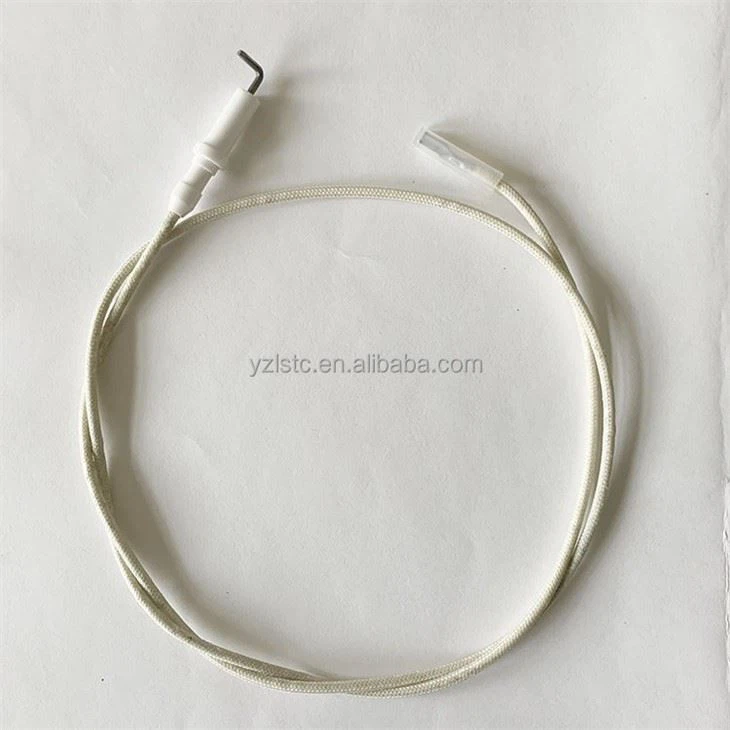
As a leading supplier of gas grill igniters, we offer a wide range of high-quality igniters to meet your needs. Our products include gas oven ceramic spark plug ignitor, Ceramic Gas Oven Ignition Electrode, and Alumina Spark Plug For Oven. These igniters are designed to provide reliable performance and long-lasting durability.

Contact Us for Procurement
If you're in the market for a new gas grill igniter or have any questions about our products, we'd love to hear from you. Whether you're a professional chef or a home barbecue enthusiast, we can provide you with the right igniter for your grill. Contact us today to start the procurement process and take your grilling experience to the next level.
References
- "Gas Grill Maintenance and Repair Guide" - Home Improvement Magazine
- "Understanding Piezoelectric Igniters" - Electrical Engineering Journal
- "Testing Electrical Components with a Multimeter" - DIY Electronics Handbook