

How does a gas oven igniter work?
Oct 28, 2025
Leave a message
Hey there! If you're here, chances are you're curious about how a gas oven igniter works. Well, you've come to the right place. I'm a supplier of gas oven igniters, and I'm gonna break it down for you in plain English.
First off, let's talk about why the igniter is so important. A gas oven uses gas as its fuel source, but gas on its own won't just start burning. You need a spark or a source of heat to kick - start the combustion process. That's where the igniter comes in. It creates the necessary conditions for the gas to catch fire and heat up your oven.
There are different types of gas oven igniters, but the most common ones are the spark igniters. These are the ones I deal with as a supplier, and they're pretty fascinating.
How a Spark Igniter Works
A spark igniter is designed to generate a high - voltage electrical spark. This spark is what ignites the gas in your oven. Here's a step - by - step breakdown of how it all goes down.
Step 1: The Power Source
The igniter gets its power from your oven's electrical system. When you turn on your oven and set the temperature, you're also sending an electrical signal to the igniter. This signal tells the igniter that it's time to do its thing. The electrical current flows through a wire that's connected to the igniter.
Step 2: The Ignition Module
The ignition module is like the brain of the spark igniter. It takes the low - voltage electrical current from the oven's power system and transforms it into a high - voltage current. This high - voltage current is necessary to create a strong enough spark to ignite the gas. Think of it as a power booster. The ignition module uses a transformer to increase the voltage.
Step 3: The Spark Electrode
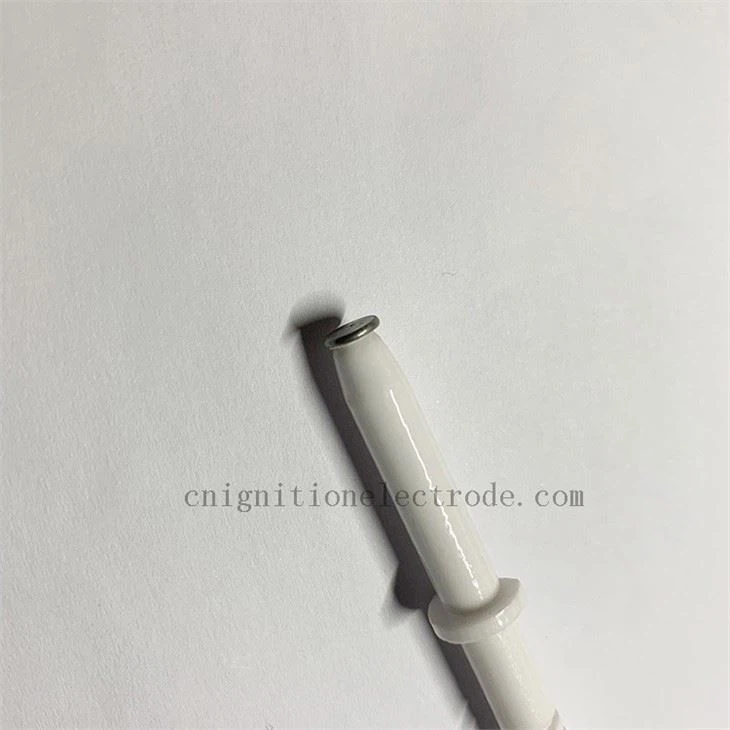
This is where the magic happens. The high - voltage current from the ignition module is sent to the spark electrode. The spark electrode is a small, usually ceramic - tipped device. You can check out our Ceramic Spark Electrode For Oven for more details on the kind of electrodes we supply.
The electrode has a small gap at the end. When the high - voltage current reaches this gap, it jumps across it, creating a spark. This spark is extremely hot, and it's what comes into contact with the gas in the oven.

Step 4: Igniting the Gas
Once the spark is created, it comes into contact with the gas that's flowing into the oven. Gas is released into the oven through small holes in the burner. When the spark hits the gas, it causes the gas to ignite. The gas starts to burn, and this combustion process generates heat, which is what warms up your oven.
Other Types of Igniters
While spark igniters are the most common, there are also other types of gas oven igniters. One such type is the hot surface igniter.
A hot surface igniter works differently. Instead of creating a spark, it heats up a surface. When the surface gets hot enough, it ignites the gas. The hot surface is usually made of a special material that can withstand high temperatures.
However, spark igniters have some advantages over hot surface igniters. They're generally more reliable and quicker to ignite the gas. They also tend to last longer, which is great news for both you as a consumer and us as suppliers.
Our Product Range
As a gas oven igniter supplier, we offer a wide range of products. We have different types of spark electrodes, like the gas oven ceramic spark plug ignitor. These are made with high - quality materials to ensure a long lifespan and consistent performance.
We also have Spark Electrode For Gas Oven. These electrodes are designed to fit a variety of oven models. Whether you have a small home oven or a large commercial one, we've got you covered.
Troubleshooting
Sometimes, your gas oven igniter might not work as it should. Here are some common issues and how to fix them.
No Spark
If you're not getting a spark, the first thing to check is the power supply. Make sure that your oven is properly plugged in and that there are no tripped breakers. If the power is fine, the problem could be with the ignition module or the spark electrode. It might be time to replace these parts, and that's where we come in.
Weak Spark
A weak spark might not be strong enough to ignite the gas. This could be due to a dirty spark electrode. Over time, the electrode can accumulate dirt and debris, which can interfere with the spark. You can try cleaning the electrode with a soft brush. If that doesn't work, it might be a sign that the electrode needs to be replaced.
Why Choose Us as Your Supplier
There are a few reasons why you should consider us as your gas oven igniter supplier. First of all, we have a team of experts who know everything there is to know about gas oven igniters. We can help you choose the right product for your needs and answer any questions you might have.
Secondly, we offer high - quality products at competitive prices. We source our materials from reliable suppliers and use strict quality control measures to ensure that our products meet the highest standards.
Finally, we have a great customer service team. If you have any issues with your order or your product, we're here to help. We want to make sure that you're completely satisfied with your purchase.
Contact Us for Procurement
If you're in the market for gas oven igniters, whether it's for a single replacement or a large - scale order, we'd love to hear from you. We're always ready to discuss your requirements and provide you with a quote. Just reach out to us, and we'll start the procurement process. Let's work together to keep your gas ovens running smoothly!
References
- "Gas Appliance Repair for Dummies" by Robert W. Bearden
- "The Complete Guide to Oven Maintenance" by John Smith