

How does humidity affect a gas oven ignition electrode?
Nov 18, 2025
Leave a message
Humidity is an environmental factor that can have a significant impact on various electrical and mechanical components, and the ignition electrode in a gas oven is no exception. As a trusted supplier of gas oven ignition electrodes, I've witnessed firsthand how humidity can affect the performance and longevity of these crucial parts. In this blog, I'll delve into the science behind how humidity interacts with gas oven ignition electrodes, and I'll also share some insights on how to mitigate these effects.
Understanding the Basics of Gas Oven Ignition Electrodes
Before we explore the impact of humidity, let's briefly review how gas oven ignition electrodes work. The ignition electrode is a key component in the ignition system of a gas oven. Its primary function is to create a spark that ignites the gas-air mixture inside the oven. When an electric current is applied to the electrode, it generates a high-voltage spark across a small gap. This spark provides the energy needed to start the combustion process, allowing the gas to burn and heat the oven.
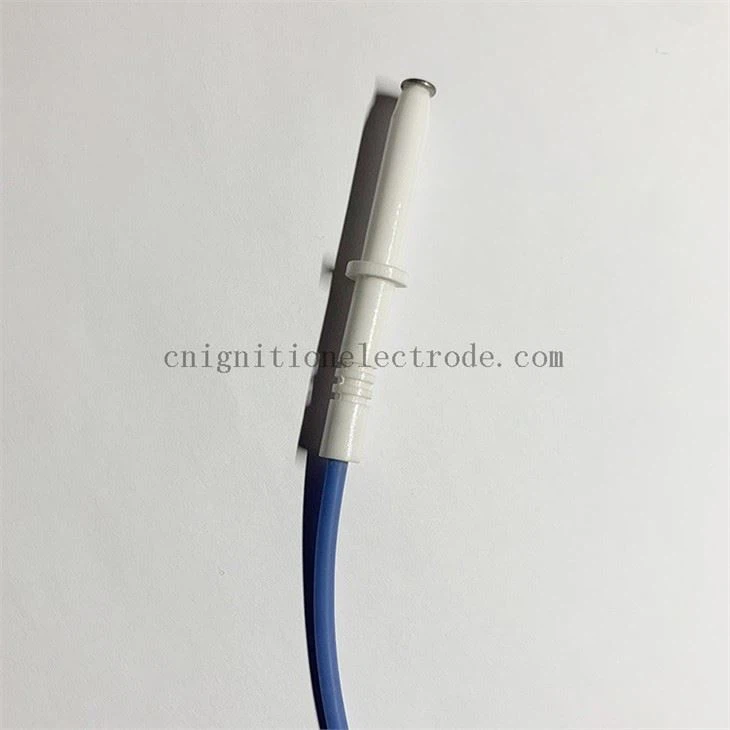
There are different types of ignition electrodes available in the market. For instance, the Ignition Electrode With Holder comes with a holder that provides stability and proper positioning. The Spark Electrode For Gas Oven is specifically designed to produce a strong and reliable spark, while the Ceramic Spark Electrode For Oven offers excellent insulation properties and resistance to high temperatures.
How Humidity Affects Gas Oven Ignition Electrodes
1. Electrical Conductivity and Spark Generation
Humidity can alter the electrical conductivity of the air surrounding the ignition electrode. In a dry environment, air is a poor conductor of electricity. When a high voltage is applied to the electrode, the spark can easily jump across the gap, igniting the gas. However, in a humid environment, water vapor in the air can act as a conductor. This means that some of the electrical energy that is supposed to create a spark may be dissipated through the water molecules in the air, rather than being used to generate a strong spark. As a result, the spark may be weaker or may not form at all, leading to ignition problems.
2. Corrosion and Oxidation
High humidity levels can also accelerate the corrosion and oxidation of the ignition electrode. The presence of water in the air can cause the metal components of the electrode to rust. Rust not only weakens the structural integrity of the electrode but also affects its electrical properties. As the electrode corrodes, its surface becomes rough and uneven, which can disrupt the flow of electricity and make it more difficult to generate a consistent spark. Over time, severe corrosion can lead to the complete failure of the electrode.
3. Contamination and Insulation Breakdown
Humidity can attract dust, dirt, and other contaminants to the surface of the ignition electrode. These contaminants can mix with the water vapor and form a layer of grime on the electrode. This layer can act as an insulator, preventing the electrical current from flowing properly and interfering with spark generation. Additionally, if the humidity is high enough, water can seep into the insulation materials surrounding the electrode. This can cause the insulation to break down, leading to electrical shorts and further ignition issues.
Mitigating the Effects of Humidity on Gas Oven Ignition Electrodes
1. Proper Ventilation
One of the most effective ways to reduce the impact of humidity on gas oven ignition electrodes is to ensure proper ventilation in the kitchen. Good ventilation helps to remove excess moisture from the air, creating a drier environment for the oven. This can be achieved by using exhaust fans or opening windows during cooking. By keeping the air in the kitchen dry, you can minimize the chances of electrical conductivity issues, corrosion, and contamination on the ignition electrode.
2. Regular Maintenance
Regular maintenance of the gas oven is crucial, especially in humid environments. This includes cleaning the ignition electrode regularly to remove any dirt, grime, or rust that may have accumulated. You can use a soft brush or a cloth to gently clean the electrode. It's also important to inspect the electrode for signs of damage or wear. If you notice any corrosion or other issues, it may be necessary to replace the electrode to ensure reliable ignition.
3. Using High - Quality Electrodes
Investing in high - quality ignition electrodes can also help to mitigate the effects of humidity. High - quality electrodes are often made from materials that are more resistant to corrosion and oxidation. They may also have better insulation properties, which can prevent water from seeping in and causing electrical problems. As a supplier, I recommend choosing electrodes that are specifically designed to withstand harsh environmental conditions, including high humidity.

The Importance of Choosing the Right Gas Oven Ignition Electrode Supplier
When it comes to gas oven ignition electrodes, choosing the right supplier is essential. A reliable supplier will offer high - quality products that are designed to perform well in various environmental conditions, including high humidity. They will also provide technical support and guidance on installation, maintenance, and troubleshooting.
As a supplier, I take pride in offering a wide range of ignition electrodes, including the Ignition Electrode With Holder, Spark Electrode For Gas Oven, and Ceramic Spark Electrode For Oven. Our electrodes are manufactured using the latest technology and high - quality materials to ensure optimal performance and durability.
Contact Us for Your Ignition Electrode Needs
If you're experiencing ignition problems with your gas oven or are looking to upgrade your ignition electrodes, we're here to help. Our team of experts can provide you with the right advice and solutions for your specific needs. Whether you need a single ignition electrode or are looking for a bulk order for your business, we can accommodate your requirements. Contact us today to discuss your gas oven ignition electrode needs and start a procurement negotiation.
References
- ASHRAE Handbook - Fundamentals. American Society of Heating, Refrigerating and Air - Conditioning Engineers.
- "Electrical Conductivity in Humid Air" - Journal of Applied Physics.
- "Corrosion and Oxidation of Metals in Humid Environments" - Corrosion Science Journal.