

How long does a ceramic ignition system last?
Mar 24, 2026
Leave a message
Hey there! As a ceramic ignition system supplier, I often get asked how long these systems actually last. It's a super important question, especially for those who rely on these ignition systems in their daily lives or businesses. So, let's dive right in and explore the factors that affect the lifespan of a ceramic ignition system.
What is a Ceramic Ignition System?
Before we get into the lifespan, let's quickly go over what a ceramic ignition system is. Ceramic ignition systems are widely used in various applications, from lighters to industrial burners. They work by generating a spark to ignite fuel, and they're known for their reliability and efficiency.
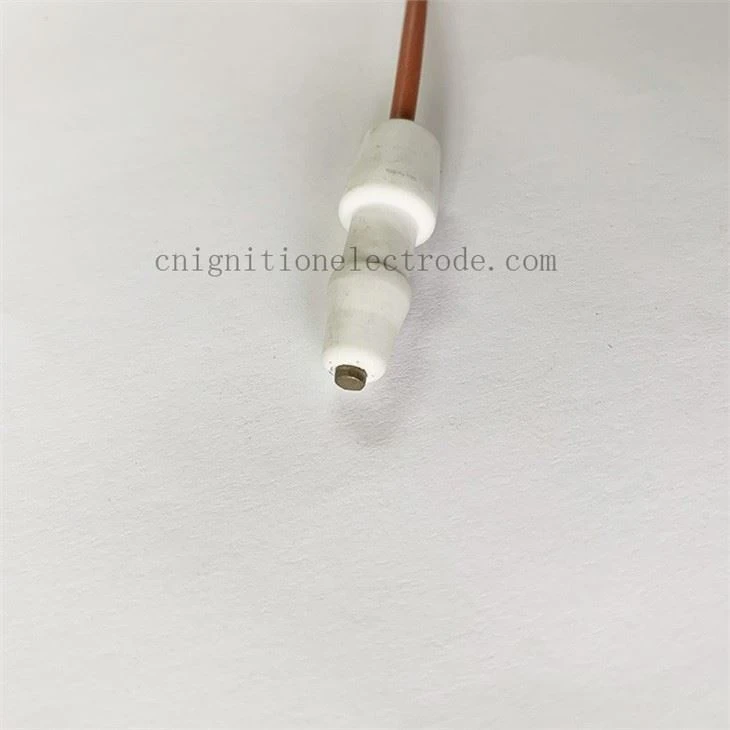
There are different types of ceramic ignition products in our range, like the Ceramic Piezo Lighter, which is commonly used in household lighters and small appliances. It uses a ceramic piezo - electric element to create a spark when pressure is applied. Then we have the Electronic Ceramic Ignition Electrode and the Electronic Ceramic Spark Electrode, which are more commonly found in industrial and commercial ignition setups.
Factors Affecting the Lifespan of a Ceramic Ignition System
Usage Frequency
One of the most obvious factors is how often the ignition system is used. If you're using a ceramic piezo lighter every few minutes to light cigarettes or candles, it's going to wear out faster compared to someone who only uses it once in a while. In industrial settings, if an electronic ceramic ignition electrode is used in a continuous - operation burner, its lifespan will be shorter than one that's used in a system with intermittent operation.
For example, a household lighter with average usage (say, 5 - 10 uses per day) might last for a few years. But in a busy restaurant kitchen where the stoves are constantly being turned on and off, the ceramic ignition electrodes in the burners may need to be replaced every 6 months to a year.
Operating Conditions
The environment in which the ceramic ignition system operates also plays a huge role. Extreme temperatures can have a negative impact on the ceramic components. If the system is exposed to very high temperatures for extended periods, it can cause the ceramic to crack or degrade. On the other hand, extremely cold temperatures can also affect its performance and longevity.
Humidity is another factor. Moisture can corrode the electrical contacts in the ignition system, leading to poor spark generation and eventually failure. In a coastal area with high humidity, the lifespan of a ceramic ignition system could be significantly reduced.
Quality of the Ceramic Material
Not all ceramic materials are created equal. High - quality ceramic materials are more resistant to wear, thermal stress, and chemical corrosion. When we manufacture our ceramic ignition systems, we use the best - grade ceramic materials available. This ensures that our products have a longer lifespan compared to some of the cheaper alternatives on the market.
Typical Lifespan Estimates
Ceramic Piezo Lighters
As I mentioned earlier, a ceramic piezo lighter used in a normal household setting can last anywhere from 2 to 5 years. This is assuming average usage and normal operating conditions. However, if it's dropped or exposed to harsh conditions, its lifespan may be much shorter.
Electronic Ceramic Ignition Electrodes
In industrial and commercial applications, the lifespan of electronic ceramic ignition electrodes can vary widely. For systems with moderate usage and good operating conditions, they can last 1 - 3 years. But in more demanding environments, such as high - temperature industrial furnaces or high - humidity chemical processing plants, the electrodes may need to be replaced every few months.
Extending the Lifespan of Your Ceramic Ignition System
Regular Maintenance
Regular cleaning is crucial for keeping your ceramic ignition system in good shape. Remove any dirt, debris, or carbon deposits that may accumulate on the electrodes. This can improve the spark quality and prevent premature failure.

Proper Installation
Make sure the ignition system is installed correctly. Incorrect installation can lead to uneven stress on the ceramic components, which can cause cracks and other damage over time.
Monitoring and Early Detection
Keep an eye on the performance of your ignition system. If you notice a weak spark or other signs of trouble, it's important to address the issue early. This can prevent further damage and extend the lifespan of the system.
Why Choose Our Ceramic Ignition Systems?
We take pride in offering high - quality ceramic ignition systems. Our products are designed and manufactured to meet the highest standards. We use top - notch ceramic materials and advanced manufacturing techniques to ensure reliability and longevity.
Whether you need a Ceramic Piezo Lighter for your household or Electronic Ceramic Ignition Electrodes for your industrial application, we've got you covered.
Contact Us for Your Ceramic Ignition Needs
If you're in the market for a reliable ceramic ignition system, we'd love to hear from you. Whether you have questions about our products, need advice on which system is right for you, or are ready to place an order, we're here to help. Don't hesitate to reach out and start the procurement process with us. We're confident that our products will meet your expectations and provide long - lasting performance.
References
- Handbook of Ceramic Materials for Electronics
- Industrial Ignition System Design and Maintenance Guide