

How to check if the boiler ignition needle is getting power?
Nov 03, 2025
Leave a message
As a seasoned supplier of boiler ignition needles, I understand the importance of ensuring these crucial components receive power effectively. A malfunctioning ignition needle can lead to a host of problems, from inefficient heating to potential safety hazards. In this blog post, I'll share some practical methods to check if your boiler ignition needle is getting power.
Understanding the Basics of Boiler Ignition Needles
Before delving into the testing process, it's essential to have a basic understanding of how boiler ignition needles work. These needles are designed to create a spark that ignites the gas in the boiler. When the ignition system is activated, an electrical current is sent to the needle, which then generates a spark across a small gap. This spark ignites the gas-air mixture, starting the combustion process.
Tools You'll Need
To check if the boiler ignition needle is getting power, you'll need a few basic tools:
- Multimeter: This device is used to measure electrical voltage, current, and resistance. It's an essential tool for diagnosing electrical problems.
- Screwdriver: You may need a screwdriver to remove the access panel or cover to reach the ignition needle.
- Safety Gloves and Glasses: Always wear safety gloves and glasses when working with electrical components to protect yourself from potential hazards.
Step-by-Step Guide to Checking Power
Step 1: Safety First
Before you begin any work on your boiler, it's crucial to turn off the power supply to the unit. This can usually be done by switching off the circuit breaker or disconnecting the power cord. Additionally, make sure the boiler has cooled down completely to avoid burns.

Step 2: Locate the Ignition Needle
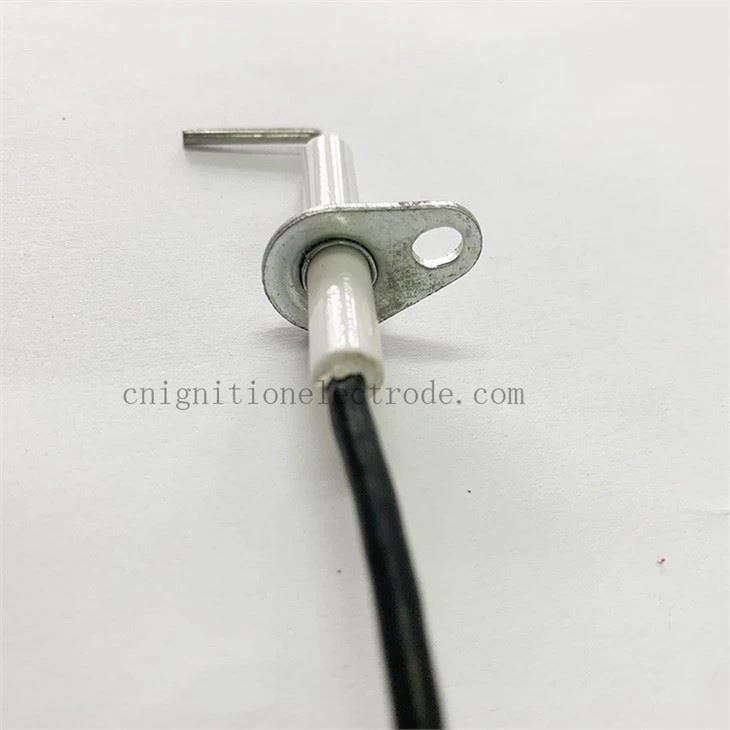
The ignition needle is typically located near the burner assembly. You may need to remove the access panel or cover to access it. Refer to your boiler's user manual for specific instructions on how to locate the ignition needle.
Step 3: Inspect the Ignition Needle
Visually inspect the ignition needle for any signs of damage or wear. Look for cracks, breaks, or corrosion on the needle. If you notice any damage, it's likely that the needle needs to be replaced. You can find high-quality replacement ignition needles on our website, such as the Stove Burner Ceramic Ignition Needle.
Step 4: Check the Wiring
Examine the wiring connected to the ignition needle. Make sure the wires are securely attached and free from damage or fraying. Loose or damaged wires can prevent the needle from receiving power. If you find any issues with the wiring, you may need to repair or replace it.
Step 5: Test the Voltage
Set your multimeter to the appropriate voltage setting (usually AC voltage). Touch the probes of the multimeter to the terminals of the ignition needle. The multimeter should display a voltage reading. If there is no voltage reading, it indicates that the needle is not receiving power.
Step 6: Check the Ignition Control Module
If the ignition needle is not getting power, the problem may lie with the ignition control module. This module is responsible for sending the electrical signal to the ignition needle. You can test the ignition control module using a multimeter to check for proper voltage output. If the module is faulty, it may need to be replaced. For more information on ignition control modules, you can explore our Spark Electrode For Oven.
Step 7: Consult a Professional
If you're unable to determine the cause of the problem or if you're not comfortable working with electrical components, it's best to consult a professional boiler technician. They have the expertise and tools to diagnose and repair complex issues.
Common Causes of Ignition Needle Power Problems
There are several common causes of ignition needle power problems:
- Faulty Wiring: As mentioned earlier, loose or damaged wiring can prevent the needle from receiving power.
- Blown Fuse: A blown fuse in the ignition circuit can interrupt the flow of electricity to the needle.
- Defective Ignition Control Module: A malfunctioning ignition control module may not send the proper electrical signal to the needle.
- Dirty or Damaged Ignition Needle: A dirty or damaged ignition needle may not be able to generate a spark effectively.
Preventive Maintenance Tips
To ensure the proper functioning of your boiler ignition needle, it's important to perform regular preventive maintenance:
- Clean the Ignition Needle: Periodically clean the ignition needle to remove any dirt, debris, or carbon buildup. This can help improve its performance.
- Inspect the Wiring: Check the wiring connected to the ignition needle for any signs of damage or wear. Replace any damaged wires immediately.
- Test the Ignition System: Regularly test the ignition system to ensure it's working properly. This can help detect any potential problems early on.
Conclusion
Checking if the boiler ignition needle is getting power is an important part of maintaining the safety and efficiency of your boiler. By following the steps outlined in this blog post, you can diagnose and troubleshoot power problems with your ignition needle. If you need replacement ignition needles or other boiler components, we offer a wide range of high-quality products, including the Gas Cooker Spark Plug.
If you have any questions or need further assistance with your boiler ignition system, please don't hesitate to contact us. We're here to help you keep your boiler running smoothly.
References
- Boiler manufacturer's user manual
- Electrical safety guidelines