

How to protect a gas igniter electrode from corrosion?
Oct 13, 2025
Leave a message
Corrosion is a persistent challenge that can significantly impact the performance and lifespan of gas igniter electrodes. As a trusted gas igniter electrode supplier, we understand the importance of protecting these crucial components from corrosion to ensure reliable and efficient operation. In this blog post, we will explore various strategies and best practices to safeguard gas igniter electrodes from corrosion, drawing on our industry expertise and experience.
Understanding Corrosion in Gas Igniter Electrodes
Before delving into protective measures, it's essential to understand the mechanisms behind corrosion in gas igniter electrodes. Corrosion is a natural process that occurs when metals react with their environment, leading to the deterioration of the metal surface. In the context of gas igniter electrodes, several factors can contribute to corrosion:
- Moisture and Humidity: Exposure to moisture and high humidity levels can accelerate the corrosion process. Water can act as an electrolyte, facilitating the flow of electrons and promoting the oxidation of the electrode material.
- Chemical Exposure: Contact with corrosive chemicals, such as acids, alkalis, and salts, can cause significant damage to gas igniter electrodes. These chemicals can react with the electrode material, leading to the formation of corrosion products and the degradation of the electrode's performance.
- High Temperatures: Elevated temperatures can also contribute to corrosion by increasing the rate of chemical reactions and accelerating the oxidation of the electrode material. In addition, high temperatures can cause thermal stress, which can lead to cracking and other forms of mechanical damage.
- Electrical Activity: The electrical current flowing through the gas igniter electrode can also contribute to corrosion. The flow of electrons can cause electrochemical reactions at the electrode surface, leading to the formation of corrosion products and the degradation of the electrode's performance.
Selecting the Right Electrode Material
One of the most effective ways to protect gas igniter electrodes from corrosion is to select the right electrode material. Different materials have varying degrees of resistance to corrosion, depending on their chemical composition and structure. When choosing an electrode material, it's important to consider the specific operating conditions and environmental factors that the electrode will be exposed to.
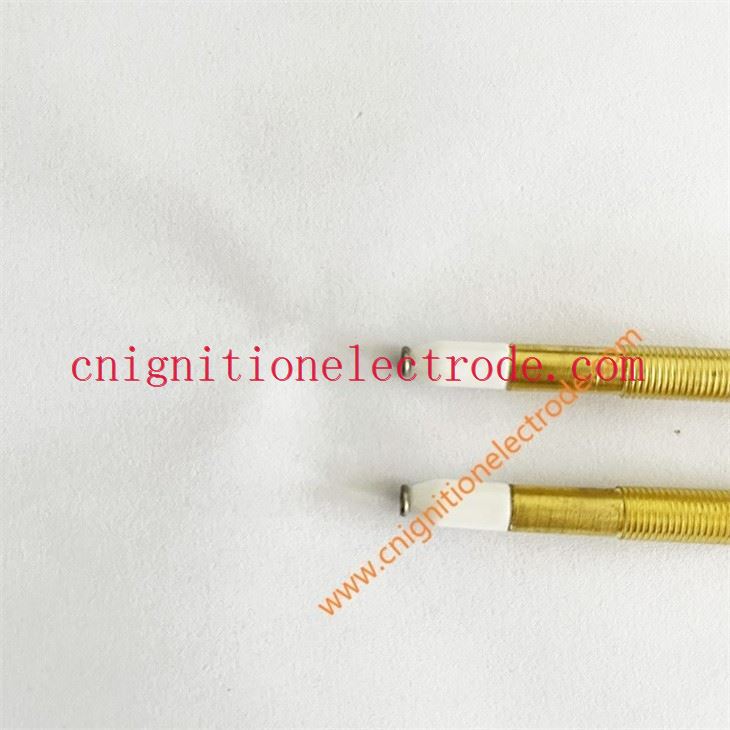

- Stainless Steel: Stainless steel is a popular choice for gas igniter electrodes due to its excellent corrosion resistance. It contains chromium, which forms a passive oxide layer on the surface of the metal, protecting it from further oxidation and corrosion. Stainless steel electrodes are suitable for a wide range of applications, including those with high humidity, chemical exposure, and high temperatures.
- Platinum and Platinum Alloys: Platinum and platinum alloys are highly resistant to corrosion and are often used in high-performance gas igniter electrodes. These materials have excellent chemical stability and can withstand extreme temperatures and harsh environments. However, platinum and platinum alloys are relatively expensive, so they are typically used in applications where cost is not a major concern.
- Titanium: Titanium is another corrosion-resistant material that is commonly used in gas igniter electrodes. It has a high strength-to-weight ratio and is resistant to a wide range of chemicals, including acids, alkalis, and salts. Titanium electrodes are suitable for applications where high corrosion resistance and durability are required.
Applying Protective Coatings
In addition to selecting the right electrode material, applying protective coatings can further enhance the corrosion resistance of gas igniter electrodes. Protective coatings act as a barrier between the electrode surface and the environment, preventing moisture, chemicals, and other corrosive agents from coming into contact with the metal.
- Ceramic Coatings: Ceramic coatings are a popular choice for protecting gas igniter electrodes from corrosion. These coatings are typically made of inorganic materials, such as oxides and nitrides, and offer excellent chemical resistance and thermal stability. Ceramic coatings can be applied using a variety of techniques, including spraying, dipping, and thermal spraying.
- Polymer Coatings: Polymer coatings are another option for protecting gas igniter electrodes from corrosion. These coatings are typically made of organic materials, such as epoxy, polyurethane, and silicone, and offer good chemical resistance and flexibility. Polymer coatings can be applied using a variety of techniques, including brushing, spraying, and dipping.
- Metallic Coatings: Metallic coatings, such as nickel, chromium, and zinc, can also be used to protect gas igniter electrodes from corrosion. These coatings offer excellent corrosion resistance and can be applied using a variety of techniques, including electroplating, electroless plating, and thermal spraying.
Maintaining Proper Operating Conditions
Maintaining proper operating conditions is essential for protecting gas igniter electrodes from corrosion. By controlling factors such as temperature, humidity, and chemical exposure, you can minimize the risk of corrosion and ensure the long-term performance of your electrodes.
- Temperature Control: Keeping the operating temperature within the recommended range is crucial for preventing corrosion in gas igniter electrodes. High temperatures can accelerate the corrosion process, so it's important to ensure that the electrodes are not exposed to excessive heat. If necessary, use cooling systems or insulation to maintain the temperature within the desired range.
- Humidity Control: Controlling humidity levels is also important for protecting gas igniter electrodes from corrosion. High humidity can cause moisture to condense on the electrode surface, leading to the formation of corrosion products. To prevent this, use dehumidifiers or ventilation systems to keep the humidity levels within the recommended range.
- Chemical Exposure: Minimizing exposure to corrosive chemicals is essential for protecting gas igniter electrodes from corrosion. If the electrodes are exposed to chemicals, make sure to clean them thoroughly after each use to remove any residue. In addition, consider using protective enclosures or barriers to prevent direct contact between the electrodes and the chemicals.
Regular Inspection and Maintenance
Regular inspection and maintenance are essential for detecting and preventing corrosion in gas igniter electrodes. By inspecting the electrodes regularly, you can identify any signs of corrosion or damage and take appropriate action to prevent further deterioration.
- Visual Inspection: Conducting regular visual inspections of the gas igniter electrodes is the first step in detecting corrosion. Look for signs of rust, discoloration, or pitting on the electrode surface. If you notice any of these signs, it's important to take immediate action to prevent further corrosion.
- Electrical Testing: In addition to visual inspection, electrical testing can also be used to detect corrosion in gas igniter electrodes. Use a multimeter or other electrical testing equipment to measure the resistance and continuity of the electrodes. If the resistance is higher than normal or if there is a break in the continuity, it could indicate corrosion or damage to the electrode.
- Cleaning and Maintenance: Regular cleaning and maintenance are essential for preventing corrosion in gas igniter electrodes. Use a soft brush or cloth to remove any dirt, debris, or corrosion products from the electrode surface. If necessary, use a mild cleaning solution to remove stubborn stains or deposits. After cleaning, make sure to dry the electrodes thoroughly to prevent moisture from accumulating.
Conclusion
Protecting gas igniter electrodes from corrosion is essential for ensuring their reliable and efficient operation. By selecting the right electrode material, applying protective coatings, maintaining proper operating conditions, and conducting regular inspection and maintenance, you can minimize the risk of corrosion and extend the lifespan of your electrodes.
As a leading gas igniter electrode supplier, we offer a wide range of high-quality electrodes that are designed to withstand the most demanding operating conditions. Our Height-adjustable Gas Ignition Electrode, Ignition Electrode for Gas Burner, and Spark Electrode For Gas Burner are all made from corrosion-resistant materials and are available in a variety of sizes and configurations to meet your specific needs.
If you have any questions or would like to learn more about our gas igniter electrodes, please don't hesitate to contact us. Our team of experts is always available to provide you with the information and support you need to make the right choice for your application.
References
- Jones, D. A. (1992). Principles and prevention of corrosion. Prentice Hall.
- Uhlig, H. H., & Revie, R. W. (1985). Corrosion and corrosion control: An introduction to corrosion science and engineering. Wiley.
- Fontana, M. G. (1986). Corrosion engineering. McGraw-Hill.