

How to troubleshoot a gas grill ignition electrode that won't spark?
Oct 10, 2025
Leave a message
A gas grill ignition electrode that won't spark can be a real headache for grill enthusiasts. As a supplier of high - quality gas grill ignition electrodes, I've encountered this issue numerous times and have a wealth of knowledge on how to troubleshoot it. In this blog, I'll guide you through the process step by step.
Understanding the Ignition Electrode
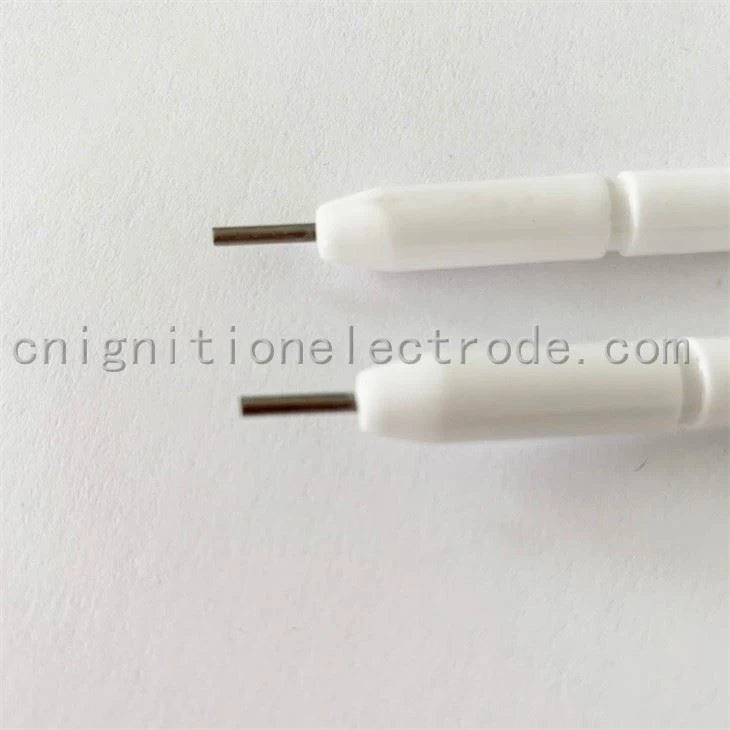
Before we start troubleshooting, it's essential to understand what an ignition electrode is and how it works. An ignition electrode is a crucial component of a gas grill's ignition system. Its primary function is to create a spark that ignites the gas flowing into the grill's burner. When you turn the ignition switch, an electrical charge is sent to the electrode, which then creates a spark across a small gap. This spark ignites the gas - air mixture, and your grill comes to life.
There are different types of ignition electrodes available in the market. For example, you can find the Ceramic Gas Oven Ignition Electrode, which is known for its durability and heat resistance. The Ignition Electrode for Gas Grill is specifically designed to meet the requirements of gas grills, and the Ignition Electrode for Gas Oven is tailored for gas ovens.
Step 1: Check the Power Source
The first thing you should do when your gas grill ignition electrode won't spark is to check the power source. Most gas grills use either a battery - powered ignition system or a direct electrical connection.
Battery - Powered Ignition
If your grill has a battery - powered ignition, start by checking the batteries. Remove the battery compartment cover and take out the batteries. Inspect them for signs of corrosion, such as a white or greenish powder around the terminals. If you find corrosion, clean the battery terminals using a small brush and a mixture of baking soda and water. Rinse the terminals thoroughly and let them dry completely before reinserting the batteries.
Also, check the battery voltage using a multimeter. If the voltage is below the recommended level, replace the batteries with new ones. Sometimes, a simple battery replacement can solve the ignition problem.
Direct Electrical Connection
For grills with a direct electrical connection, ensure that the power cord is properly plugged into a working outlet. Check the circuit breaker or fuse box to make sure that there is no tripped breaker or blown fuse. If the outlet is not working, try plugging a different device into it to confirm the issue. If the outlet is faulty, you may need to call an electrician to fix it.
Step 2: Inspect the Ignition Switch
The ignition switch is another potential culprit if the electrode won't spark. Start by visually inspecting the switch for any signs of damage, such as cracks or loose connections. If you notice any visible damage, the switch may need to be replaced.
To test the ignition switch, you can use a continuity tester. Set the tester to the continuity mode and touch the probes to the terminals of the switch. When you turn the switch on, the tester should emit a beep or show a low resistance reading, indicating that the switch is working properly. If there is no continuity, the switch is likely defective and should be replaced.
Step 3: Examine the Ignition Electrode
The ignition electrode itself may be the problem. First, visually inspect the electrode for any signs of damage, such as a bent or broken tip. A damaged electrode may not be able to create a proper spark. If the electrode is damaged, it should be replaced with a new one.
Next, check the electrode's position. The electrode should be positioned correctly in relation to the burner. There should be a small gap (usually around 1/8 to 1/4 inch) between the electrode tip and the burner. If the electrode is too close or too far from the burner, it may not be able to create a spark that can ignite the gas. Adjust the position of the electrode if necessary.
Clean the electrode to remove any dirt, grease, or carbon deposits. Over time, these deposits can build up on the electrode and prevent it from creating a spark. You can use a soft brush or sandpaper to gently clean the electrode tip. Be careful not to damage the electrode while cleaning.
Step 4: Check the Wiring
Faulty wiring can also cause the ignition electrode to fail to spark. Inspect the wiring connecting the ignition switch, the electrode, and the power source. Look for any signs of damage, such as frayed wires, loose connections, or corrosion.
If you find any frayed wires, cut out the damaged section and splice in a new piece of wire using wire connectors. Make sure to insulate the connections properly with electrical tape. For loose connections, tighten the screws or terminals to ensure a good electrical connection.
If you suspect that there is a problem with the wiring but can't find the exact location of the issue, you may need to use a wiring diagram to trace the circuit. This can be a bit more complicated, and if you're not comfortable working with electrical wiring, it's best to seek the help of a professional.
Step 5: Test the Gas Supply
Even if the ignition electrode is working properly, a lack of gas supply can prevent the grill from igniting. Check the gas tank to make sure that it has enough gas. Open the valve on the gas tank and listen for the sound of gas flowing. If you don't hear any gas flowing, the tank may be empty or the valve may be closed.
Inspect the gas hose for any signs of damage, such as cracks or leaks. You can perform a leak test by applying a soapy water solution to the hose connections and the valve. If you see bubbles forming, there is a gas leak, and the affected area should be repaired or the hose should be replaced.
Step 6: Consider the Spark Module
The spark module is responsible for generating the electrical charge that creates the spark at the electrode. If all the other components seem to be working properly, the spark module may be the problem.

Testing the spark module requires some technical knowledge and the use of a multimeter. You can check the output voltage of the spark module to see if it is generating the correct amount of electricity. If the output voltage is below the recommended level, the spark module may be defective and should be replaced.
Conclusion
Troubleshooting a gas grill ignition electrode that won't spark can be a systematic process. By following the steps outlined above, you can identify and fix the problem in most cases. However, if you're still unable to solve the issue after trying all these steps, it may be time to seek professional help.
As a gas grill ignition electrode supplier, we offer a wide range of high - quality ignition electrodes, spark modules, ignition switches, and other related components. If you need to replace any parts or have any questions about gas grill ignition systems, we're here to help. Contact us to discuss your specific needs and start a procurement negotiation. We're committed to providing you with the best products and services to keep your gas grill running smoothly.
References
- "Gas Grill Repair Manuals" - Various manufacturers' manuals
- "Electrical Troubleshooting Guides" - General electrical repair resources
- "Gas Grill Maintenance and Repair" - Industry - specific books and online resources