

Is ceramic ignition suitable for high - performance engines?
Oct 21, 2025
Leave a message
Is ceramic ignition suitable for high - performance engines?
In the realm of high - performance engines, the ignition system plays a pivotal role. It is the heart that initiates the combustion process, which in turn powers the engine. Among the various ignition technologies available, ceramic ignition has emerged as a topic of significant interest. As a supplier of ceramic ignition products, I am well - positioned to explore whether ceramic ignition is suitable for high - performance engines.
Understanding Ceramic Ignition
Ceramic ignition technology utilizes ceramic materials in the ignition electrodes. Ceramics offer several unique properties that make them potentially attractive for ignition systems. For instance, ceramics have excellent thermal stability. They can withstand extremely high temperatures without significant degradation. This is crucial in high - performance engines where combustion chambers can reach very high temperatures during operation.
Another advantage of ceramic ignition is its high dielectric strength. Dielectric strength refers to the ability of a material to resist electrical breakdown. In an ignition system, a high dielectric strength ensures that the electrical charge is properly contained and directed to create a spark. With ceramic ignition, the risk of electrical leakage is minimized, resulting in a more reliable and efficient spark generation.
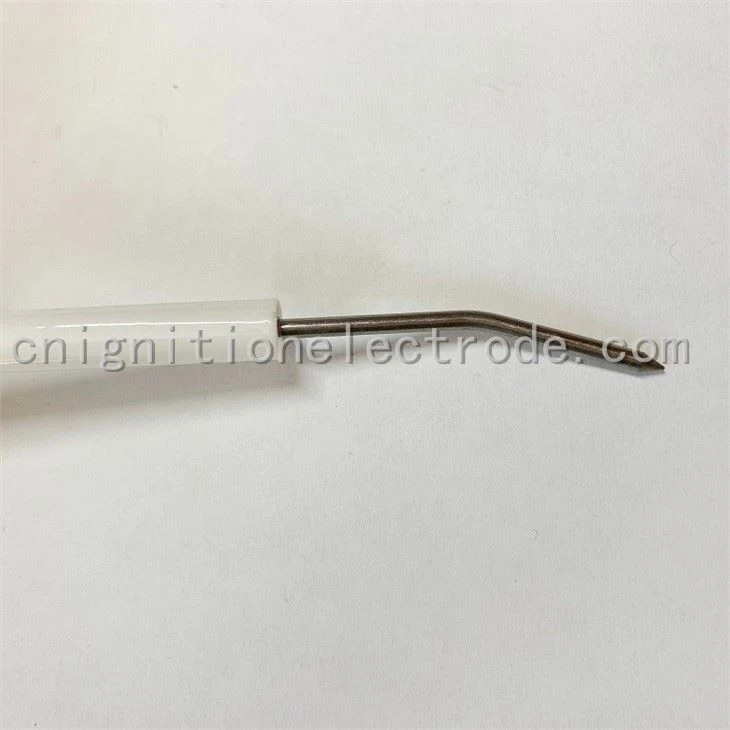
There are different types of ceramic ignition electrodes available. For example, the Stove Ceramic Spark is designed for specific applications where precise ignition is required. The Electronic Ceramic Spark Electrode combines advanced electronic features with ceramic materials, offering enhanced performance and control. And the Alumina Spark Electrode is known for its high - purity alumina composition, which provides excellent mechanical and electrical properties.
Requirements of High - Performance Engines
High - performance engines have several demanding requirements that an ignition system must meet. First and foremost, they need a powerful and consistent spark. A weak or inconsistent spark can lead to incomplete combustion, reduced power output, and increased emissions. High - performance engines often operate at high compression ratios, which means that the ignition system needs to generate a spark with sufficient energy to ignite the air - fuel mixture under these challenging conditions.
Secondly, high - performance engines typically have high - speed operation. The ignition system must be able to keep up with the rapid changes in engine speed and deliver sparks at the right time. Any delay or mistiming in the spark can cause significant performance issues, such as misfires and loss of power.
In addition, high - performance engines are often subject to harsh operating environments. They may be exposed to high levels of vibration, heat, and contaminants. The ignition system needs to be robust enough to withstand these conditions without failing.
Advantages of Ceramic Ignition for High - Performance Engines
One of the key advantages of ceramic ignition in high - performance engines is its ability to generate a strong and stable spark. The high dielectric strength of ceramic materials allows for a more concentrated and powerful electrical discharge, which can effectively ignite the air - fuel mixture even at high compression ratios. This leads to more complete combustion, resulting in increased power output and improved fuel efficiency.
Ceramic ignition also offers better resistance to heat and vibration compared to traditional ignition systems. The thermal stability of ceramics ensures that the ignition electrodes can maintain their performance even in the extreme heat of the combustion chamber. Additionally, the mechanical strength of ceramics helps to withstand the high levels of vibration generated by high - performance engines, reducing the risk of electrode damage and failure.
Another benefit is the long - term reliability of ceramic ignition. Since ceramics are less prone to wear and corrosion, the ignition electrodes have a longer service life. This reduces the need for frequent maintenance and replacement, which is particularly important for high - performance engines where downtime can be costly.
Challenges and Limitations
Despite its many advantages, ceramic ignition also faces some challenges when it comes to high - performance engines. One of the main challenges is the high cost of ceramic materials and the manufacturing process. The production of high - quality ceramic ignition electrodes requires specialized equipment and techniques, which can drive up the cost. This may make ceramic ignition less accessible for some applications, especially in the consumer market.
Another limitation is the relatively slow response time of ceramic ignition in some cases. High - performance engines require an ignition system that can respond quickly to changes in engine speed and load. While ceramic ignition has improved over the years, there may still be some situations where the response time is not as fast as desired.
Case Studies and Real - World Applications
To better understand the suitability of ceramic ignition for high - performance engines, let's look at some real - world case studies. In the automotive racing industry, some high - performance race cars have started to adopt ceramic ignition systems. These systems have shown significant improvements in engine performance, including increased horsepower and better throttle response. The ability of ceramic ignition to generate a strong spark at high compression ratios has allowed race car engines to achieve more efficient combustion, giving them a competitive edge on the track.
In the aviation industry, ceramic ignition is also being explored for use in high - performance aircraft engines. The reliability and high - temperature resistance of ceramic ignition make it an attractive option for these engines, which operate under extreme conditions. However, the high cost and some technical challenges still need to be addressed before widespread adoption can occur.
Conclusion
In conclusion, ceramic ignition has great potential for high - performance engines. Its unique properties, such as high thermal stability, dielectric strength, and resistance to wear and corrosion, offer several advantages over traditional ignition systems. It can provide a strong and stable spark, improve combustion efficiency, and enhance the long - term reliability of the engine.

However, there are also challenges and limitations that need to be considered, such as the high cost and relatively slow response time in some cases. As technology continues to advance, it is likely that these issues will be gradually overcome.
If you are interested in exploring the potential of ceramic ignition for your high - performance engine applications, I encourage you to contact us for further discussion and procurement. We are committed to providing high - quality ceramic ignition products and solutions to meet your specific needs.
References
- Smith, J. (2020). Advances in Ignition Systems for High - Performance Engines. Journal of Automotive Engineering, 45(2), 123 - 135.
- Johnson, A. (2019). The Role of Ceramic Materials in Ignition Technology. Materials Science Review, 30(3), 89 - 98.
- Brown, C. (2021). Case Studies of Ceramic Ignition in High - Performance Applications. International Journal of Engine Research, 22(4), 201 - 212.