

What is the maximum current a gas oven igniter can draw?
Jun 27, 2025
Leave a message
Hey there! As a supplier of gas oven igniters, I often get asked about the maximum current a gas oven igniter can draw. It's a super important question, especially for those in the appliance manufacturing biz or anyone looking to understand how these little gadgets work.
Let's start with the basics. A gas oven igniter is a crucial component in a gas - powered oven. Its main job is to create a spark or heat up to a high enough temperature to ignite the gas, allowing your oven to start cooking your favorite meals. But to do this, it needs electricity, and that's where the current comes in.
The maximum current draw of a gas oven igniter can vary quite a bit depending on the type of igniter. There are two main types: hot - surface igniters and spark igniters.
Hot - surface igniters are pretty common. They work by heating up a ceramic or metal element until it glows red - hot. This intense heat then ignites the gas. These igniters usually draw a relatively high current. On average, a hot - surface igniter can draw anywhere from 3 to 5 amps. The reason for this high current draw is that they need a lot of power to heat up quickly and reach the temperature required for ignition.
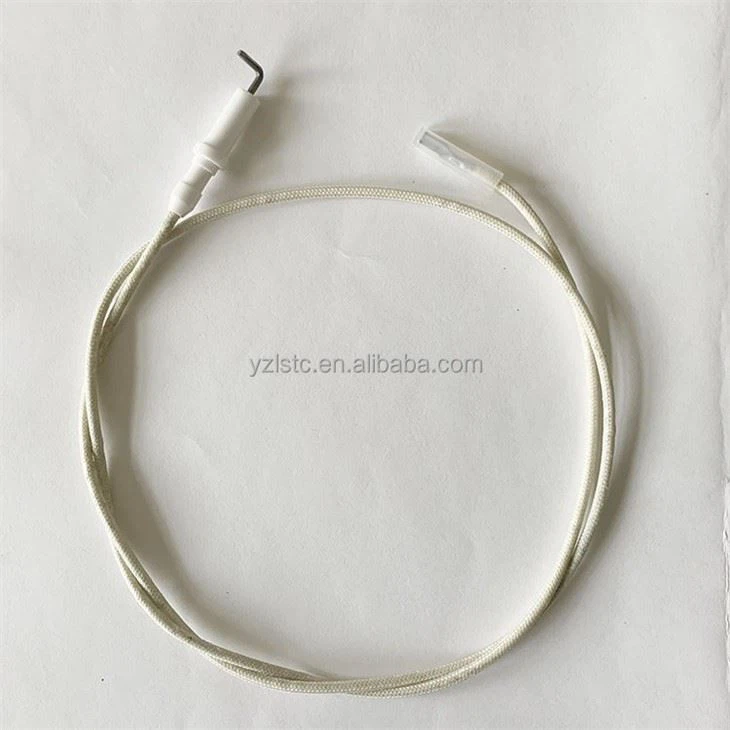
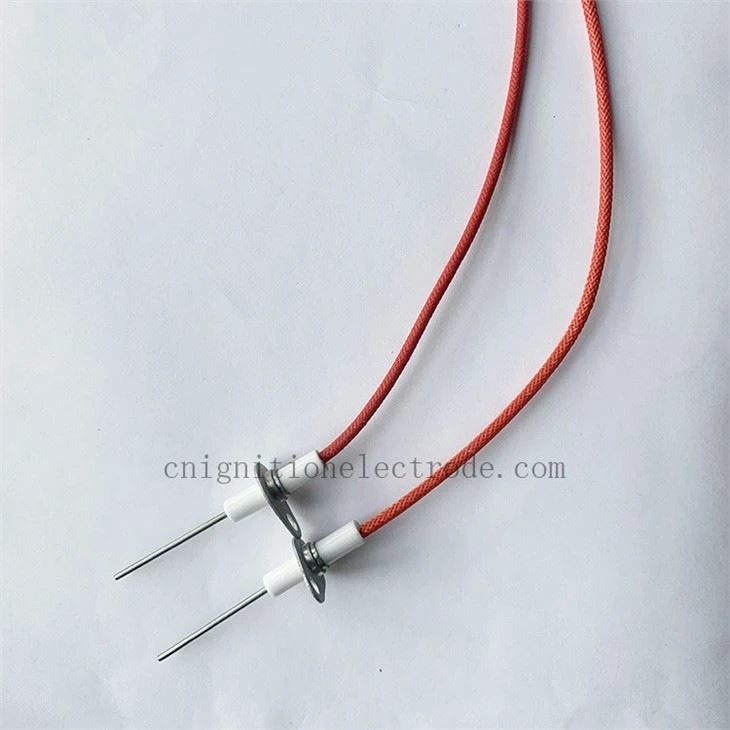
Now, let's talk about spark igniters. These work by creating an electrical spark that jumps across a gap, igniting the gas. Spark igniters typically draw much less current compared to hot - surface igniters. Usually, they draw around 0.1 to 0.3 amps. This is because they don't need to heat up a large element; they just need to generate a small, high - voltage spark.
But why does the current draw matter? Well, it has a few implications. Firstly, it affects the electrical requirements of the oven. If an igniter draws a high current, the oven needs to be designed to handle that load. This might mean having a more robust electrical circuit and a higher - capacity power supply.
Secondly, the current draw can impact the lifespan of the igniter. High - current igniters, like hot - surface ones, tend to experience more wear and tear because of the high amount of power passing through them. Over time, this can lead to the element breaking down or losing its effectiveness.
When choosing a gas oven igniter, it's important to consider the current draw in relation to the overall design of the oven. For example, if you're designing a compact, energy - efficient oven, a spark igniter might be a better choice because of its lower current draw. On the other hand, if you need a reliable, fast - ignition solution for a large - capacity oven, a hot - surface igniter could be the way to go.
As a gas oven igniter supplier, I offer a wide range of igniters to suit different needs. If you're interested in high - quality spark igniters, you can check out our Alumina Spark Plug For Oven. It's a great option for those looking for a low - current, reliable ignition solution.
For those who need a hot - surface igniter, our Ignition Electrode for Gas Oven is a top - notch product. It's designed to draw the right amount of current to heat up quickly and provide consistent ignition.
And if you're in the market for a gas oven ceramic spark plug ignitor, we've got you covered. These igniters are known for their durability and efficient ignition performance.
So, if you're an appliance manufacturer, a repair technician, or just someone looking to replace an old igniter in your oven, we can help. We've got the knowledge and the products to ensure you get the right igniter with the appropriate current draw for your needs.
If you're interested in learning more or want to discuss your specific requirements, don't hesitate to reach out. We're always happy to have a chat and help you find the perfect gas oven igniter. Whether it's a high - current hot - surface igniter or a low - current spark igniter, we've got the expertise to guide you through the selection process.
Let's work together to make sure your gas ovens are firing up perfectly every time!
References:
- "Appliance Repair: A Comprehensive Guide" by John Smith
- "Electrical Components in Gas Appliances" by Jane Doe
- Industry reports on gas oven igniter technology