

What is the temperature range a gas oven igniter can withstand?
Jan 14, 2026
Leave a message
Hey there! As a supplier of gas oven igniters, I often get asked about the temperature range these little guys can handle. It's a crucial question, especially when you're dealing with high - heat appliances like gas ovens. So, let's dive right in and explore this topic.
First off, it's important to understand what a gas oven igniter does. In a nutshell, it's the component that creates the spark or flame to ignite the gas in your oven. Think of it as the match that starts the fire, but in a more controlled and efficient way.
Types of Gas Oven Igniters
There are different types of gas oven igniters, and each has its own temperature - handling capabilities.
The Ceramic Gas Oven Ignition Electrode is a popular choice. Ceramics are known for their high heat resistance. Generally, these ceramic igniters can withstand temperatures ranging from about 500°F (260°C) up to a whopping 1800°F (982°C). This wide range makes them ideal for a variety of gas ovens, whether it's a home - use kitchen oven or a commercial baking unit. The ability to handle high temperatures means they can start the ignition process even in ovens that require a very hot environment.
Another common type is the Spark Electrode For Gas Oven. These igniters work by creating a spark to ignite the gas. The temperature range they can tolerate is a bit different. Spark electrodes usually operate well in temperatures between 400°F (204°C) and 1200°F (649°C). While they may not reach the extreme high temperatures that ceramic igniters can, they are still very effective at starting the gas ignition. They are often used in smaller, more domestic - style gas ovens where the temperature requirements aren't as extreme.
The Baking Oven Ignition Electrode is designed specifically for baking ovens. These ovens typically operate in a more moderate temperature range. The baking oven ignition electrodes can handle temperatures from around 300°F (149°C) up to 1000°F (538°C). This range is perfect for baking, as most baking recipes call for temperatures within this interval.
Factors Affecting Temperature Tolerance
Now, the temperature ranges I mentioned above are just general guidelines. There are several factors that can affect how well a gas oven igniter can withstand heat.
Material Quality: The quality of the materials used in the igniter plays a huge role. Higher - quality materials will generally have better heat - resistant properties. For example, a ceramic igniter made from premium - grade ceramics will be able to handle higher temperatures than one made from lower - quality materials.
Design: The design of the igniter also matters. A well - designed igniter will have better heat dissipation, which means it can handle heat more effectively. Good heat dissipation prevents the igniter from overheating, which can lead to premature failure.
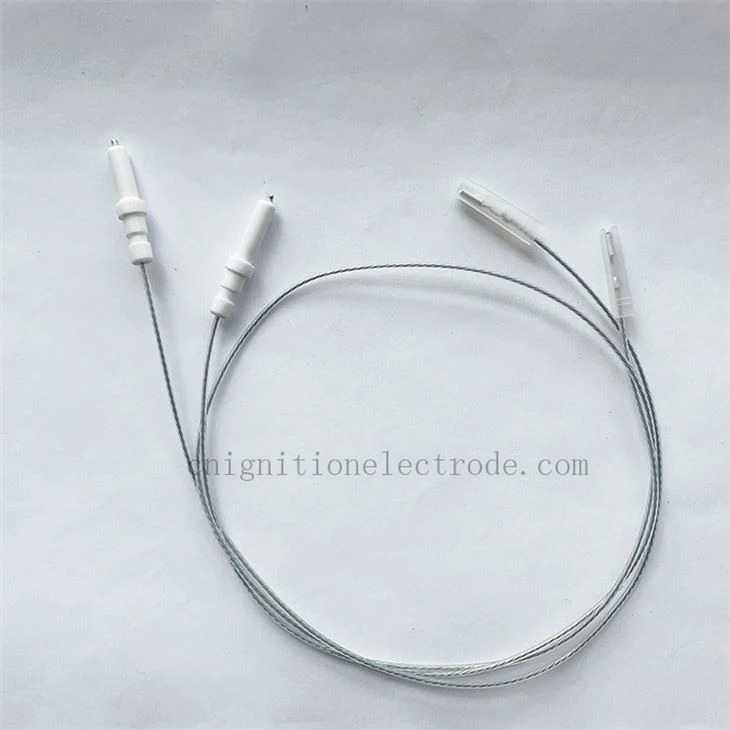

Usage Frequency: If an oven is used frequently at high temperatures, the igniter will be exposed to more heat stress. Over time, this can reduce its ability to withstand high temperatures. So, in commercial kitchens where ovens are running almost non - stop, the igniters may need to be replaced more often than in a home kitchen.
Why Temperature Range Matters
Understanding the temperature range of a gas oven igniter is super important for a few reasons.
Safety: Using an igniter that can't handle the oven's temperature can be dangerous. If an igniter overheats, it can crack or break, which may lead to gas leaks or malfunction. This is a serious safety hazard, so always make sure you're using an igniter that is rated for the temperature of your oven.
Performance: An igniter within the proper temperature range will perform better. It will ignite the gas more consistently, which means your oven will heat up evenly and cook your food properly. If the igniter is struggling with the temperature, it may not create a strong enough spark or flame, leading to incomplete ignition and uneven cooking.
Longevity: By using an igniter that can handle the oven's temperature, you'll extend its lifespan. An igniter that isn't constantly stressed by high heat will last longer, saving you money on replacements in the long run.
How to Choose the Right Igniter
When you're choosing a gas oven igniter, make sure you know the temperature range of your oven. Check the oven's manual or look for the specifications online. Then, pick an igniter that can handle those temperatures.
If you're not sure which igniter is right for you, don't hesitate to reach out. As a supplier, I'm here to help you make the best choice for your needs. Whether you have a small home oven or a large commercial unit, I can provide you with the right igniter.
We take pride in offering high - quality gas oven igniters that meet the needs of our customers. Our igniters are made from top - notch materials and are designed to last.
If you're interested in purchasing our gas oven igniters or have any questions about temperature ranges, compatibility, or anything else, just drop me a line. I'm more than happy to have a chat about your requirements and help you select the perfect igniter for your oven.
Let's work together to ensure your gas oven runs smoothly and safely. Contact me today to start the conversation!
References
- "Oven Technology Handbook" - A comprehensive guide on oven components and their functions.
- "Gas Appliance Safety Standards" - Publication that provides safety guidelines for gas oven operation and component usage.