

Which type of gas burner igniter is more reliable?
Jun 13, 2025
Leave a message
When it comes to gas burners, the reliability of the igniter is of utmost importance. As a gas burner igniter supplier, I've witnessed firsthand the various types of igniters available in the market and their performance in different scenarios. In this blog, I'll delve into the different types of gas burner igniters and analyze which one is more reliable.
Piezo Igniters
Piezo igniters are one of the most common types of igniters used in gas burners. They work on the principle of piezoelectricity, where a mechanical force is applied to a piezoelectric crystal, generating an electric spark. This spark then ignites the gas in the burner.
One of the main advantages of piezo igniters is their simplicity. They don't require an external power source, making them easy to install and use. They are also relatively inexpensive, which makes them a popular choice for many household gas appliances such as stoves and grills.
However, piezo igniters have some limitations. Over time, the piezoelectric crystal can wear out, reducing the strength of the spark. This can lead to unreliable ignition, especially in colder temperatures or when the gas pressure is low. Additionally, the mechanical components of the igniter can become damaged or misaligned, further affecting its performance.
Electronic Igniters
Electronic igniters, on the other hand, use an electronic circuit to generate a spark. They typically require an external power source, such as a battery or the electrical supply of the appliance. There are two main types of electronic igniters: intermittent spark ignition (ISI) and hot surface ignition (HSI).
Intermittent Spark Ignition (ISI)
ISI igniters generate a series of sparks at regular intervals until the gas is ignited. They are commonly used in gas furnaces, water heaters, and some commercial gas burners. ISI igniters offer several advantages over piezo igniters. They can produce a stronger and more consistent spark, which improves the ignition reliability, especially in challenging conditions. They also have a longer lifespan, as they don't rely on mechanical components that can wear out.

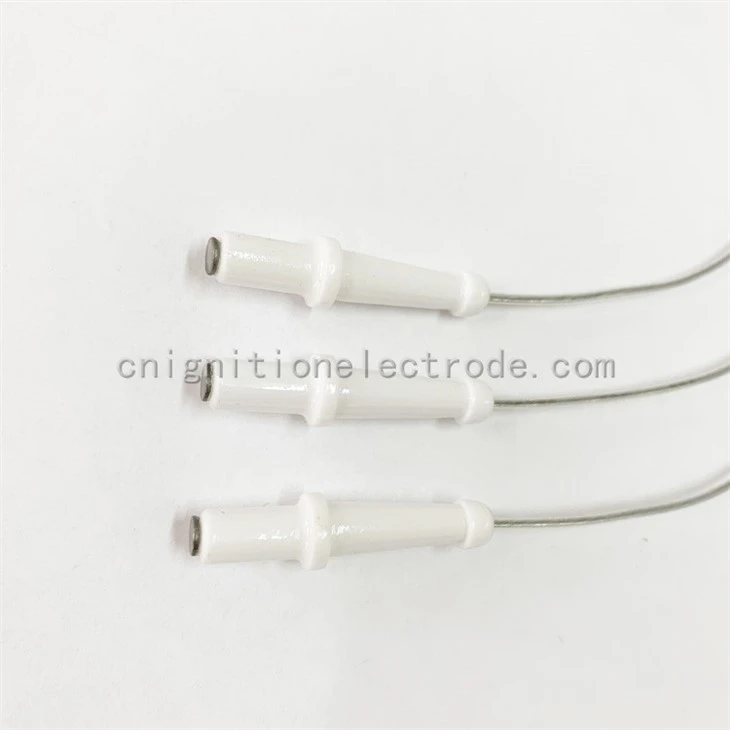
However, ISI igniters are more complex and expensive than piezo igniters. They require a power source, which can be a drawback in some applications. Additionally, the electronic components can be sensitive to electrical interference and voltage fluctuations, which can affect their performance.
Hot Surface Ignition (HSI)
HSI igniters use a heating element, usually made of silicon carbide or silicon nitride, to heat up to a high temperature. When the element reaches a certain temperature, it ignites the gas flowing over it. HSI igniters are commonly used in gas furnaces and some industrial gas burners.
HSI igniters offer high ignition reliability, as they provide a consistent heat source for ignition. They are also relatively quiet compared to spark igniters. However, they have a slower ignition time, as the heating element needs to reach the appropriate temperature before ignition can occur. Additionally, the heating element can be fragile and may break if subjected to sudden temperature changes or physical shock.
Spark Ignition Electrodes
Spark ignition electrodes are another type of igniter commonly used in gas burners. These electrodes are designed to generate a spark when an electrical current is applied. There are different types of spark ignition electrodes available, each with its own characteristics.
Gas Ceramic Ignition Electrode
Gas ceramic ignition electrodes are made of ceramic materials, which offer several advantages. Ceramic is highly resistant to heat and corrosion, making these electrodes durable and long-lasting. They can also produce a strong and stable spark, which improves the ignition reliability. Gas ceramic ignition electrodes are commonly used in high-temperature applications, such as industrial gas burners and some commercial cooking equipment.
Spark Electrode For Gas Burner
Spark electrodes for gas burners are designed specifically for use in gas burner applications. They are typically made of metal or a combination of metal and ceramic materials. These electrodes are designed to produce a spark that is sufficient to ignite the gas in the burner. They are commonly used in household gas stoves, grills, and some small commercial gas appliances.
Alumina Ignition electrode
Alumina ignition electrodes are made of alumina ceramic, which is known for its high electrical insulation properties and mechanical strength. These electrodes can withstand high temperatures and harsh environments, making them suitable for a wide range of gas burner applications. They offer reliable ignition performance and a long service life.
Which Type of Igniter is More Reliable?
Determining which type of gas burner igniter is more reliable depends on several factors, including the application, the operating conditions, and the budget.
For household applications such as stoves and grills, piezo igniters are often a sufficient choice. They are inexpensive and easy to use, and while they may not be as reliable as electronic igniters in all conditions, they are generally adequate for normal use.
In commercial and industrial applications, where reliability is crucial, electronic igniters or spark ignition electrodes are usually preferred. ISI and HSI igniters offer high ignition reliability and can withstand more demanding operating conditions. Gas ceramic ignition electrodes, spark electrodes for gas burners, and alumina ignition electrodes also provide reliable ignition performance, especially in high-temperature and harsh environments.
Conclusion
As a gas burner igniter supplier, I understand the importance of choosing the right igniter for your application. Each type of igniter has its own advantages and disadvantages, and the choice depends on various factors. If you're looking for a reliable igniter for your gas burner, consider the operating conditions, the budget, and the specific requirements of your application.
If you have any questions or need assistance in selecting the right gas burner igniter, please feel free to contact us. We have a team of experts who can provide you with professional advice and help you find the best solution for your needs. Let's start a conversation and explore the possibilities of enhancing the performance and reliability of your gas burners.
References
- "Gas Burner Ignition Systems: A Comprehensive Guide" - Industry Research Report
- "Principles of Piezoelectric Ignition" - Journal of Applied Physics
- "Electronic Ignition Systems for Gas Appliances" - Technical Manual by Appliance Manufacturers Association