

Can a gas grill ignition needle be affected by electromagnetic interference?
Dec 12, 2025
Leave a message
Can a gas grill ignition needle be affected by electromagnetic interference?
As a supplier of gas grill ignition needles, I've encountered numerous inquiries from customers regarding the reliable ignition performance of their gas grills. One question that often arises is whether a gas grill ignition needle can be affected by electromagnetic interference (EMI). This blog post aims to delve into this topic, exploring the scientific principles behind it, the potential sources of EMI, and how it might impact gas grill ignition needles.
Understanding Gas Grill Ignition Needles
Before we discuss the influence of electromagnetic interference, it's essential to understand the functionality of gas grill ignition needles. These needles, also known as Gas Burner Spark Plug, are a crucial component in a gas grill's ignition system. When the grill is turned on, an electrical charge is sent to the ignition needle. This charge creates a spark at the tip of the needle, which ignites the gas-air mixture in the burner, starting the grilling process.
The design of the ignition needle is carefully engineered to generate a spark of sufficient intensity to ignite the gas. The electrical circuit involves a power source, usually a battery or a piezoelectric ignition system, and a conductor that carries the electrical current to the needle. Any disruption in this electrical circuit can lead to ignition failures.
What is Electromagnetic Interference?
Electromagnetic interference is the disturbance that affects an electrical circuit due to either electromagnetic induction or electromagnetic radiation emitted from an external source. EMI can be classified into two types: conducted EMI and radiated EMI.
Conducted EMI occurs when the interference is transmitted through direct electrical connections, such as power lines or signal cables. This type of interference can be caused by nearby electrical equipment that generates electrical noise, which travels through the power supply and affects the operation of the gas grill ignition system.
Radiated EMI, on the other hand, is the electromagnetic energy that travels through the air and can be absorbed by nearby electronic devices. Sources of radiated EMI include radio frequency transmitters, microwave ovens, and even some types of lighting fixtures.
Potential Sources of EMI Near Gas Grills
In a typical outdoor grilling environment, there are several potential sources of electromagnetic interference that could affect the ignition needle.
- Microwave Ovens: If the gas grill is placed in close proximity to a microwave oven, the high - frequency electromagnetic fields generated by the microwave can potentially interfere with the electrical signals in the ignition system. Microwave ovens operate at a frequency of 2.45 GHz, which can radiate a significant amount of electromagnetic energy.
- Wireless Devices: Wi - Fi routers, Bluetooth devices, and cell phones all emit electromagnetic radiation. While the intensity of this radiation is relatively low, if a wireless device is placed too close to the gas grill, it could potentially cause interference with the ignition system, especially if the ignition needle's electrical circuit is sensitive.
- Power Tools: Electric power tools such as drills, saws, and sanders can generate electrical noise when in operation. This noise can be conducted through the electrical power supply, and if the gas grill is connected to the same electrical circuit or is in close proximity, it may affect the ignition needle's performance.
How EMI Can Impact Gas Grill Ignition Needles
EMI can disrupt the normal operation of a gas grill ignition needle in several ways.
- Signal Interference: The electrical signal sent to the ignition needle to generate a spark can be distorted by EMI. This distortion can reduce the intensity of the spark or even prevent it from occurring altogether. As a result, the gas - air mixture may not be ignited, and the grill will fail to start.
- Component Damage: In some cases, severe electromagnetic interference can cause damage to the electronic components in the ignition system. The high - frequency electrical fields can induce excessive currents in the circuit, leading to overheating and potentially burning out the ignition needle or other parts of the ignition system.
- Unstable Ignition: EMI can also cause intermittent ignition problems. The ignition needle may work sometimes but fail at other times, making it difficult for the user to start the grill consistently.
Preventing EMI Affects on Gas Grill Ignition Needles
As a supplier of gas grill ignition needles, I understand the importance of ensuring reliable ignition performance. Here are some measures that can be taken to prevent EMI from affecting the ignition needles:
- Proper Placement: Avoid placing the gas grill near potential sources of EMI, such as microwave ovens, power tools, and wireless devices. Maintain a safe distance to minimize the impact of electromagnetic radiation.
- Shielding: The ignition system can be shielded to protect it from EMI. This can be done by using metal enclosures or conductive coatings around the ignition components. The shielding acts as a barrier, preventing the electromagnetic fields from reaching the sensitive electrical circuits.
- Filtering: Installing EMI filters in the electrical circuit of the ignition system can help to remove unwanted electrical noise. These filters are designed to block high - frequency signals while allowing the normal electrical current to pass through, ensuring stable ignition performance.
Conclusion
In conclusion, a gas grill ignition needle can indeed be affected by electromagnetic interference. The potential for EMI exists in many common outdoor grilling environments, and it can cause ignition failures, component damage, and unstable ignition. However, by understanding the sources of EMI and taking appropriate preventive measures, such as proper placement, shielding, and filtering, users can ensure the reliable operation of their gas grills.
As a leading supplier of Gas Cooker Spark Plug and BBQ Spark Plug, we are committed to providing high - quality ignition needles that are designed to withstand various environmental conditions, including electromagnetic interference. Our products are engineered with the latest technology and undergo rigorous testing to ensure reliable performance.
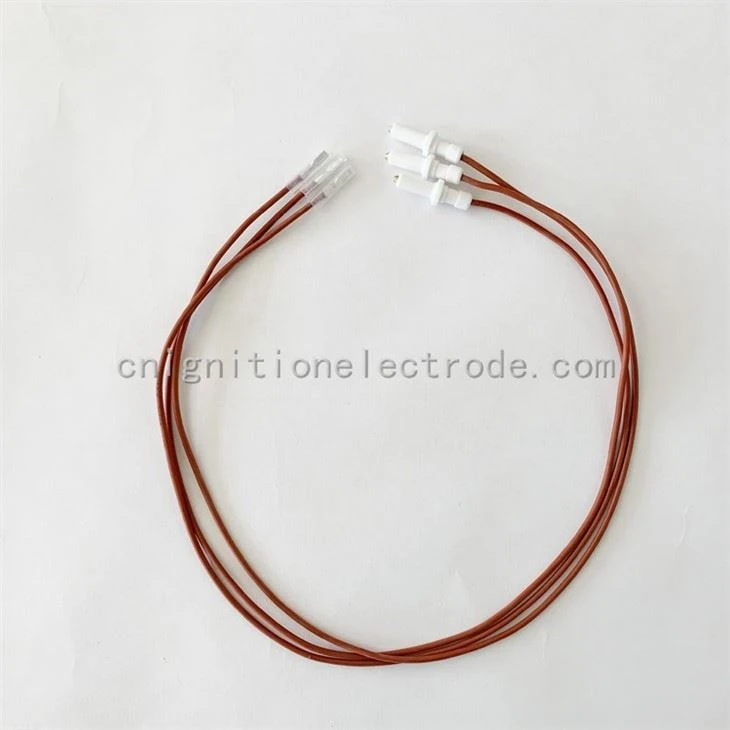

If you are in the market for gas grill ignition needles, we invite you to contact us for more information. We are happy to discuss your specific requirements and provide you with the best solutions for your gas grilling needs. Start a conversation with us and let's explore how our products can enhance your grilling experience.
References
- Grover, J. C., & Harley, R. G. (2009). Electromagnetic Compatibility. CRC Press.
- Ott, H. W. (2015). Noise Reduction Techniques in Electronic Systems. Wiley.
- Paul, C. R. (2006). Introduction to Electromagnetic Compatibility. Wiley.