

How do I clean the ignition contacts on a gas grill igniter?
Oct 15, 2025
Leave a message
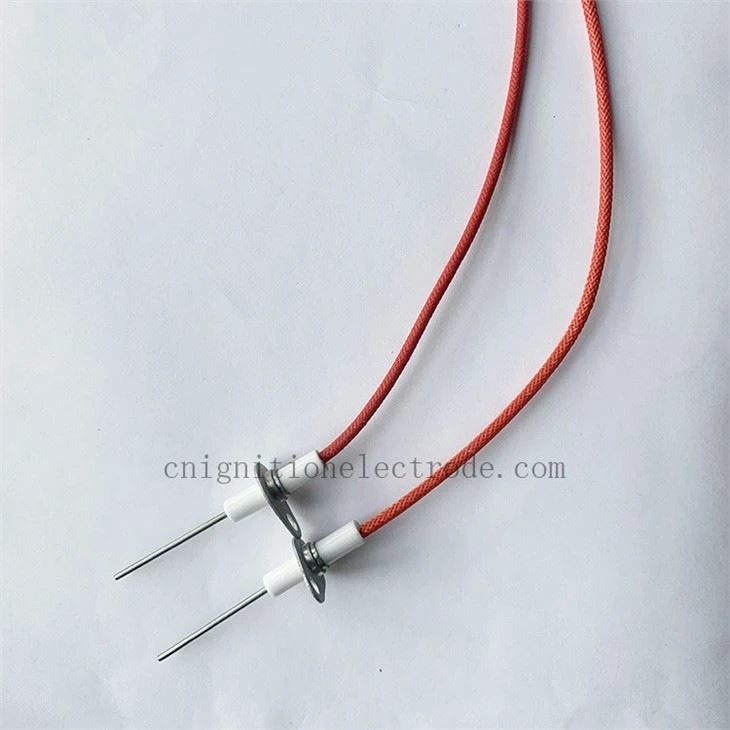
Cleaning the ignition contacts on a gas grill igniter is a crucial maintenance task that can significantly enhance the performance and longevity of your grill. As a supplier of gas grill igniters, I've witnessed firsthand the difference proper cleaning can make. In this blog post, I'll guide you through the process of cleaning ignition contacts, explaining why it's important and sharing some tips and tricks along the way.
Why Cleaning Ignition Contacts Matters
Before we dive into the cleaning process, let's understand why cleaning the ignition contacts is so important. Over time, the ignition contacts on a gas grill igniter can accumulate dirt, grease, and carbon deposits. These deposits can interfere with the electrical connection between the igniter and the gas valve, preventing the igniter from producing a spark. As a result, you may experience difficulty lighting your grill or find that it doesn't light at all.
Cleaning the ignition contacts regularly helps to remove these deposits, ensuring a strong and consistent electrical connection. This not only makes it easier to light your grill but also reduces the risk of ignition failure, which can be frustrating and potentially dangerous.
Tools and Materials You'll Need
To clean the ignition contacts on your gas grill igniter, you'll need the following tools and materials:
- Screwdriver: You'll need a screwdriver to remove the grill's burner covers and access the ignition contacts.
- Wire brush: A wire brush is ideal for removing dirt, grease, and carbon deposits from the ignition contacts.
- Sandpaper: Fine-grit sandpaper can be used to smooth out any rough or corroded areas on the ignition contacts.
- Isopropyl alcohol: Isopropyl alcohol is a great cleaning agent that can help to dissolve stubborn deposits and disinfect the ignition contacts.
- Cotton swabs: Cotton swabs are useful for applying the isopropyl alcohol and cleaning hard-to-reach areas.
- Safety glasses and gloves: It's important to wear safety glasses and gloves to protect your eyes and hands from any debris or chemicals.
Step-by-Step Cleaning Process
Now that you have all the necessary tools and materials, let's walk through the step-by-step process of cleaning the ignition contacts on your gas grill igniter:
Step 1: Turn Off the Gas Supply
Before you begin cleaning the ignition contacts, it's essential to turn off the gas supply to your grill. This will prevent any gas from leaking and reduce the risk of fire or explosion. Locate the gas shut-off valve on your grill and turn it to the "Off" position.
Step 2: Remove the Burner Covers
Use a screwdriver to remove the grill's burner covers. This will give you access to the ignition contacts and make it easier to clean them. Set the burner covers aside in a safe place.
Step 3: Locate the Ignition Contacts
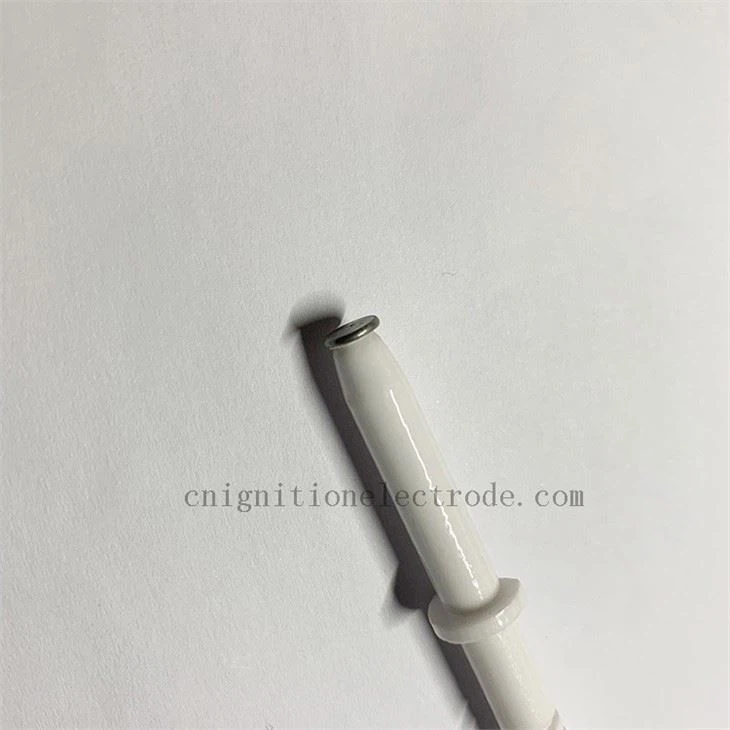
The ignition contacts are typically located near the burner tubes. They are small, metal components that are connected to the igniter wires. Take a moment to familiarize yourself with the location of the ignition contacts before proceeding.
Step 4: Brush the Ignition Contacts
Use a wire brush to gently brush the ignition contacts. This will help to remove any loose dirt, grease, or carbon deposits. Be careful not to apply too much pressure, as this could damage the contacts.
Step 5: Sand the Ignition Contacts
If the ignition contacts are rough or corroded, you can use fine-grit sandpaper to smooth them out. Gently sand the contacts in a circular motion until they are smooth and free of any rough spots. Be sure to remove any sanding dust from the contacts before proceeding.
Step 6: Clean the Ignition Contacts with Isopropyl Alcohol
Dip a cotton swab in isopropyl alcohol and gently clean the ignition contacts. The alcohol will help to dissolve any stubborn deposits and disinfect the contacts. Be sure to clean both the inside and outside of the contacts, as well as the area around them.
Step 7: Dry the Ignition Contacts
Use a clean, dry cloth to dry the ignition contacts thoroughly. Make sure there is no moisture left on the contacts, as this could cause them to corrode or malfunction.
Step 8: Reassemble the Grill
Once the ignition contacts are clean and dry, you can reassemble the grill. Replace the burner covers and tighten the screws securely. Make sure all the components are properly aligned and connected before proceeding.
Step 9: Test the Ignition
Turn on the gas supply to your grill and test the ignition. Press the igniter button and listen for a clicking sound. If the igniter produces a spark, your grill should light up. If the igniter doesn't work, double-check the connections and repeat the cleaning process if necessary.
Tips and Tricks
Here are some additional tips and tricks to help you clean the ignition contacts on your gas grill igniter effectively:
- Clean the Ignition Contacts Regularly: To prevent dirt, grease, and carbon deposits from building up on the ignition contacts, it's a good idea to clean them regularly. Aim to clean the contacts at least once a month, or more often if you use your grill frequently.
- Use a Soft-Bristled Brush: When brushing the ignition contacts, use a soft-bristled brush to avoid damaging them. A hard-bristled brush can scratch the contacts and cause them to malfunction.
- Be Careful When Sanding the Contacts: When sanding the ignition contacts, be careful not to sand too much. Over-sanding can remove the protective coating on the contacts and cause them to corrode more quickly.
- Inspect the Ignition Wires: While you're cleaning the ignition contacts, take a moment to inspect the ignition wires for any signs of damage or wear. If the wires are frayed or damaged, replace them immediately to prevent ignition failure.
- Consider Using a Spark Plug Cleaner: If you're having trouble cleaning the ignition contacts, you may want to consider using a spark plug cleaner. Spark plug cleaners are specifically designed to remove dirt, grease, and carbon deposits from spark plugs and ignition contacts.
Conclusion
Cleaning the ignition contacts on your gas grill igniter is a simple yet important maintenance task that can make a big difference in the performance and longevity of your grill. By following the steps outlined in this blog post and using the tips and tricks provided, you can keep your ignition contacts clean and functioning properly for years to come.
If you're in the market for a new gas grill igniter or replacement parts, we've got you covered. We offer a wide range of high-quality Ignition Electrode for Gas Grill, Alumina Spark Plug For Oven, and Ceramic Spark Electrode For Oven to suit your needs. Our products are designed to provide reliable ignition and long-lasting performance, ensuring that you can enjoy delicious grilled food for years to come.
If you have any questions or would like to learn more about our products, please don't hesitate to contact us. We'd be happy to help you find the perfect gas grill igniter or replacement parts for your needs.
References
- "Grill Maintenance 101: How to Clean Your Grill Igniter." The Spruce Eats.
- "How to Clean a Gas Grill Igniter." Family Handyman.
- "Maintaining Your Gas Grill: Cleaning the Ignition System." Weber Grills.