

What is the difference between a spark ignition electrode and a hot surface ignition electrode in a gas oven?
Jan 09, 2026
Leave a message
Hey there! As a supplier of gas oven ignition electrodes, I get a ton of questions about the different types out there. One of the most common queries is the difference between a spark ignition electrode and a hot surface ignition electrode in a gas oven. So, let's dive right in and break it down.
Spark Ignition Electrode
First off, let's talk about the spark ignition electrode. This bad boy is like the classic rockstar of gas oven ignition. It works by creating a high - voltage electrical spark. When you turn on your gas oven, the ignition system sends a current to the spark ignition electrode. This current builds up until it jumps across a small gap at the end of the electrode, creating a spark. Think of it as a mini lightning bolt in your oven!
The spark then ignites the gas that's flowing into the burner. This process is super fast. You turn the knob, and within seconds, you've got a flame burning in your oven. It's like magic, but with science!
One of the major advantages of a spark ignition electrode is its reliability. Since it relies on a spark, it can ignite the gas even in less - than - perfect conditions. It's also relatively simple in design. That means it's usually easier to replace if something goes wrong.
If you're interested in a great spark ignition option, check out our Ceramic Spark Electrode For Oven. It's made with high - quality ceramic, which can withstand the high temperatures inside the oven and provide a consistent spark for a long time.
However, spark ignition electrodes do have a few drawbacks. They do use a bit more electricity compared to some other ignition methods. Also, over time, the electrode can get dirty or damaged. If there's a build - up of grease or debris on the electrode, it might not be able to create a strong enough spark, and you could have trouble getting your oven to light.
Hot Surface Ignition Electrode
Now, let's switch gears and talk about the hot surface ignition electrode. This type of electrode works in a completely different way. Instead of creating a spark, it heats up a special surface. When the oven is turned on, an electric current passes through the hot surface ignition electrode, causing it to glow red - hot.
Once the surface reaches a high enough temperature, it ignites the gas flowing over it. It's like lighting a fire with a really hot piece of metal. The process is a bit slower compared to spark ignition. You might have to wait a few seconds for the electrode to heat up before the gas ignites.
One of the big advantages of a hot surface ignition electrode is its energy efficiency. It generally uses less electricity once it's up and running because it doesn't need to constantly generate a high - voltage spark. It's also quieter than a spark ignition system. You won't hear that crackling sound of a spark every time you turn on your oven.
We offer a gas oven ceramic spark plug ignitor that combines some of the best features of hot surface ignition. It's designed to be durable and efficient, providing a consistent source of ignition for your gas oven.
But, like any technology, hot surface ignition electrodes have their cons. The heating element can be relatively fragile. If it's bumped or knocked during cleaning or maintenance, it could break. And if the electrode doesn't heat up evenly, it might not ignite the gas properly.
Physical Differences
When it comes to the physical differences between the two types of electrodes, spark ignition electrodes are usually smaller and more compact. They often have a thin, pointed tip where the spark occurs. On the other hand, hot surface ignition electrodes are bulkier. They have a larger surface area that gets heated up, which is necessary to generate enough heat to ignite the gas.
The materials used in the two types of electrodes are also different. Spark ignition electrodes are often made of metals that can conduct electricity well and withstand the high - voltage sparks. Ceramics are also commonly used as insulators to protect the surrounding parts of the oven. Hot surface ignition electrodes are typically made of materials with high - resistance properties, like silicon carbide. These materials heat up quickly when an electric current passes through them.
Cost Considerations
Cost is another factor to think about. Spark ignition electrodes are generally less expensive to manufacture. This means they're often more affordable for consumers when it comes to replacement parts. However, because they use more electricity over time, your energy bills might be a bit higher if you have a spark ignition system in your oven.
Hot surface ignition electrodes, on the other hand, are usually more expensive upfront. But their lower energy consumption can save you money in the long run. So, if you're planning to keep your oven for a long time, the higher initial cost of a hot surface ignition system might be worth it.
Which One should You Choose?
Deciding between a spark ignition electrode and a hot surface ignition electrode depends on your needs and preferences. If you want a system that lights up quickly and you don't mind a bit of extra noise and electricity usage, a spark ignition electrode is a great choice. But if you're looking for an energy - efficient and quiet option, even if it takes a few extra seconds to start, then a hot surface ignition electrode could be the way to go.
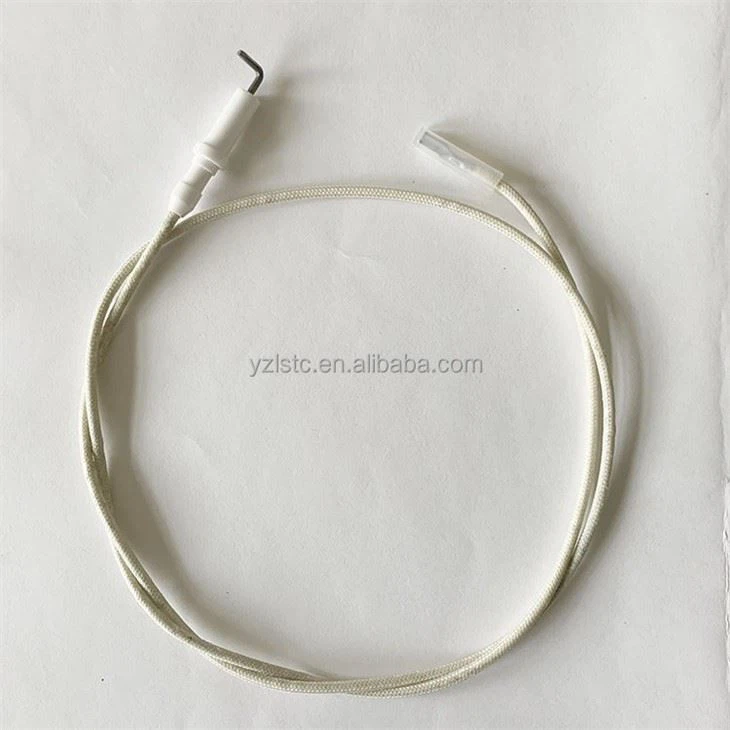

At our company, we understand that choosing the right ignition electrode can be confusing. That's why we offer a wide range of options, like our Ignition Electrode With Holder. It comes with a holder that makes installation a breeze and ensures proper alignment for optimal performance.
If you're still not sure which type of ignition electrode is best for your gas oven, or if you're interested in purchasing some of our high - quality products, don't hesitate to reach out. We're here to help you make the right decision and ensure that your gas oven runs smoothly for years to come. Whether you need more information, technical support, or want to discuss a bulk order, just hit us up. Let's get your oven firing on all cylinders!
References
- "Fundamentals of Gas Oven Technology" - A technical guide on gas oven components and operation.
- "Comparative Analysis of Ignition Systems in Domestic Appliances" - A research paper on the performance and efficiency of different ignition methods.